Breast Augmentation

  • Вступление: Breast augmentation
  • Подстрочник: Breast augmentation is plastic surgery to change the size or shape of the mammary glands using implants. Such
    The procedure is performed for both aesthetic and medical reasons. ForMe clinic specialists have extensive experience in performing such operations and use advanced and modern technologies to guarantee the absence of complications. The clinic offers different
  • Promotion
  • Promotion
  • Promotion

Indications and contraindications

Medical indications include:

  • Asymmetry of the mammary glands.

    This problem is caused by genetic factors, hormonal imbalances, injuries or inflammatory processes.

  • Underdevelopment of the breast from birth.

    This condition is called micromastia. It is characterized by insufficient development of fatty and glandular breast tissue.

  • Defects after surgery

    - for example, after removal of a tumor or mastectomy (complete or partial removal of the breast) for breast cancer.

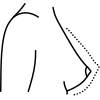
Women may require plastic surgery if they are not satisfied with the size, shape, or volume of their breasts. Mammoplasty is also relevant for correcting changes caused by age, pregnancy or breastfeeding.

Contraindications for surgery:

  • minor age;
  • chronic or infectious diseases during exacerbation;
  • blood clotting disorder;
  • breastfeeding, surgery is possible only 6 months after the end of breastfeeding;
  • oncology;
  • pregnancy period;
  • heart disease;
  • immune diseases.

Types of implants

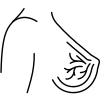
Implants are prosthetics that are placed under breast tissue or muscle to increase volume and change shape. Breast implants come in different shapes, textures and volumes. Based on their shape, they are divided into round and anatomical. Round implants have the same diameter over their entire surface. Anatomical implants are drop-shaped, resulting in a more natural effect.

Based on texture, implants are divided into smooth and textured. Smooth implants have a slippery surface that allows them to move freely within the capsule. Textured implants have a rough surface that prevents the implant from moving or rotating.

Silicone implants come in different sizes by volume - from 100 to 800 ml. The choice of volume depends on the woman’s wishes, as well as on her anatomical features: chest width, skin thickness, volume of the fat layer. In addition to installing implants, augmentation through fat is also possible. This procedure is called lipofilling. It is recommended for girls who do not want drastic changes, but strive to improve the shape of the mammary glands.

Types of access

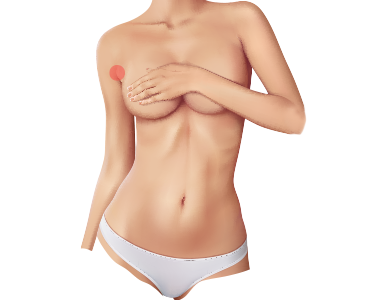
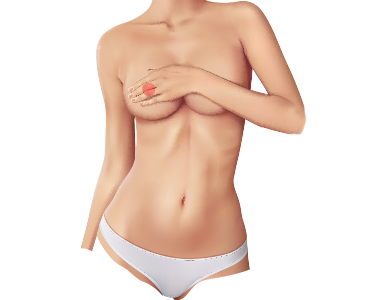
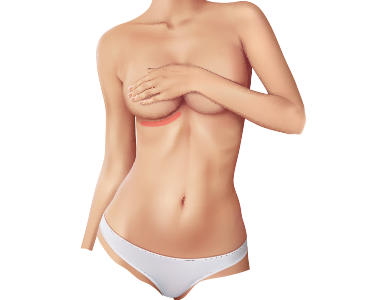
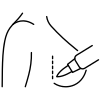
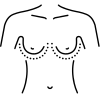
Access is a method of inserting an implant into the breast cavity. It can be axillary, areolar or submammary.

  • Transaxillary access
    Axillary access

    provides entry through the axillary region.

    Its advantage is the absence of visible scars. The disadvantage is the difficulty of controlling the position of the implant and the risk of damage to the lymphatic vessels.

  • Inframammary access
    Areolar access

    performed through the edges of the nipple ring.

    It allows you to create a natural shape and minimizes the appearance of scars. The disadvantage of this method is the risk of impaired nipple sensitivity and lactation.

  • Periareolar access
    Submammary access

    performed through the fold under the breast.

    Its advantage is the ease of operation and good control of the position of the implant. It should be taken into account that a scar will remain on the lower part. It may be noticeable when wearing open clothing or underwear.

Preparing for surgery

Preparation begins with a consultation with a plastic surgeon. The doctor will assess the condition, clarify the patient’s wishes and expectations, select the type, size and shape of implants, explain the procedure, as well as possible risks and complications. Additionally, he will take before and after comparison photos.

Next, you will need to take tests and undergo several examinations. In particular, the list of procedures that need to be carried out before the intervention includes:

  • general and biochemical blood test;

  • blood clotting test;

  • blood group test, Rh factor;

  • urine test;

  • ECG;

  • Ultrasound of the mammary glands;

  • mammography.

Consultation with a therapist and anesthesiologist is also necessary. These specialists will assess the patient’s health, check chronic diseases, allergies to medications or other substances, as well as previous experience with anesthesia. Based on the results of the consultation, they will select the type of anesthesia (usually general anesthesia) and give recommendations on how to prepare for it.

Two weeks before surgery, you should stop taking aspirin and other drugs that increase the risk of bleeding. It is also necessary to stop taking hormonal contraceptives 2 weeks in advance. They may increase the risk of blood clots.

Before the operation, you will need to give up bad habits. Two weeks before the procedure, you must completely stop drinking alcohol and smoking. These habits adversely affect the tissue healing process, causing vascular spasms or infection. You cannot eat 8 hours before surgery, and drink 6 hours before surgery.

How is the operation performed?

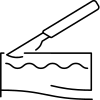
The operation begins with the choice of anesthesia. General anesthesia is usually used; in rare cases, local anesthesia with sedation (sedatives) is used. In this case, the patient remains conscious, but does not feel pain in the surgical area. Next, the location of the implant is marked. The surgeon makes markings, indicating the location of the implant, its size, shape, and the location of the incision for access.

The procedure lasts from 1 to 3 hours. The surgeon makes an incision along the selected access, separates the breast tissue, creates a cavity for the implant, inserts it, and fixes it in the desired position. He then closes the incision with stitches and applies a sterile dressing. After the procedure is completed, the surgeon puts on compression garments, which help reduce swelling and maintain shape. The patient is transferred to the observation room.

Rehabilitation after breast augmentation

After the procedure, it is necessary to follow a number of rehabilitation rules. The woman spends the first day in the clinic under the supervision of a doctor. The patient may experience pain, which can be relieved with painkillers. Fever, swelling and hematomas (bruises) are also possible. A doctor in a hospital checks the condition of the stitches and bandages, monitors the patient’s pulse, blood pressure, and breathing.

Over the next 3 days, the woman experiences certain physical discomfort. The effect of painkillers is reduced, while the swelling is still visually noticeable. In the first 3 days, it is recommended to remain in bed, avoid sudden movements, and do not lift heavy objects. Additionally, it is necessary to take antibiotics to prevent infection, as well as anti-inflammatory drugs to reduce swelling.

At the end of the first week, painkillers are stopped. The bruises gradually disappear, but there may be itching of the mammary glands, which get used to the new size. At this stage of rehabilitation, it is recommended to wear tight shapewear. Physical activity and sexual activity are still excluded. At the end of the first week, the sutures and bandages are also removed.

At the end of the third week of rehabilitation, a new breast shape gradually takes shape, and swelling and bruising disappear. The itching also no longer bothers me. Therefore, physical activity is already possible, you can go to work. At this stage it is necessary:

  • continue to wear special underwear;
  • avoid sunbathing or sauna;
  • do not take hot baths or showers;
  • Do not expose your breasts to mechanical stress.

You should visit your doctor regularly to monitor your condition and have an ultrasound or mammogram.

Works of doctors

View other works

View other works

Breast augmentation at the ForMe clinic

The decision to enlarge breasts can improve the self-esteem of women who are dissatisfied with their appearance.  The best specialists of the ForMe clinic are ready to perform such an operation in St. Petersburg. Experienced surgeons, modern equipment, and the use of only certified implants guarantee the absence of complications and rapid achievement of results. To calculate the price of the operation and discuss its progress, sign up for a consultation with a surgeon by phone or through the form on the website.


Experienced doctors

All doctors

Breast augmentation prices

<>

Other services

  • More details

    More details

    The most popular interventions include mastopexy - plastic surgery for breast lift.
  • More details

    More details

    Breast lipofilling is a technique for correcting the shape and size of the mammary glands using transplantation of the patient’s own fat tissue.
  • More details

    More details

    This operation is considered the most difficult in breast plastic surgery, because the surgeon is faced with the task of not only removing a large amount of tissue, but also recreating the most natural, aesthetically beautiful shape of the mammary glands.

Gynecomastia Surgery

  • Вступление: Gynecomastia removal
  • Подстрочник: Large breasts adorn only women; in men they are a physical disadvantage.
    In addition to aesthetic inconveniences, gynecomastia can cause health problems. Although this pathology is benign, it creates a risk of breast cancer. The achievements of modern medicine, which the ForMe clinic specialists use in their practice, effectively relieve men of this defect.
  • Promotion
  • Promotion
  • Promotion

What is gynecomastia

Gynecomastia in men is called enlargement of the mammary glands. This happens due to the growth of the gland itself or the accumulation of fat cells. In addition to an increase in the size of the organ, the pathology can manifest itself as chest pain and tissue compaction.

Causes

Most often, the proliferation of gland tissue occurs due to hormonal imbalance, when the level of estrogen begins to exceed the amount of testosterone, the main male hormone.
Other causes of male gynecomastia:
  • Enlargement of the breast glands can be detected in newborn infants due to exposure to maternal estrogen, and usually resolves after the first month of life. Sometimes gynecomastia occurs during puberty when testosterone levels drop. It also goes away on its own and does not require treatment.
  • Medicines. Taking some of them can lead to enlargement of the mammary glands in a man. These are, for example, hormonal drugs, antitumor drugs.
  • Chronic diseases. For example, regular dialysis for chronic renal failure leads to hormonal changes. Also, hormone-active tumors of the adrenal glands, testicles, and pituitary gland can lead to an increase in the size of the gland.
  • Taking steroid drugs to build muscle mass.
A pathology that arose for an unknown reason is called idiopathic.

Types of gynecomastia

Depending on the cause of its occurrence, gynecomastia is classified into several types.
  • True

    Normally, male breasts consist of muscle and fat; glandular tissue should not be present. If the amount of estrogen in the body becomes too large, organs begin to develop according to the female type, and connective tissue increases.
  • False

    In this case, excess fat deposits lead to mammary hypertrophy. It almost always occurs with overweight.
  • Mixed

    With this type of pathology, in the presence of excess fat, glandular and connective tissue also grows.
According to external manifestations, gynecomastia can be one- or two-sided. Bilateral magnification can be symmetrical or asymmetrical.

Symptoms

In addition to external signs, the pathology is accompanied by such manifestations as:
  • soreness in the pectoral muscle area;
  • high nipple sensitivity;
  • unpleasant sensations during contact with clothing;
  • feeling of fullness in the pectoral muscles;
  • leakage of exudate from the nipples;
  • fibrous formations in glandular tissue.

Treatment of gynecomastia

Therapy in this case can be medicinal or surgical. This depends on the cause of gland hypertrophy, the patient’s health condition and the presence of pathological formations in the gland.

To assess the condition of the mammary gland, palpation of the pectoral muscles, lymph nodes and genital organs, and a biochemical blood test for hormone levels are performed. To get a complete picture, ultrasound of the mammary glands, mammography are prescribed, and, if necessary, a CT examination is performed.

If the cause of mammary hypertrophy is a chronic disease, it is necessary to treat it. If you are taking medications that cause tissue proliferation, you should replace them with other drugs or, if possible, stop them altogether.

Treatment is prescribed for adolescents if the pathology causes severe pain or psychological problems in communicating with peers. The doctor prescribes hormonal drugs that increase the amount of testosterone.

Indications for removal of gynecomastia in men

Enlarged glands can be removed both in adulthood and in adolescence. There may be several reasons for surgical intervention:
  • hypertrophy causes severe discomfort;
  • drug treatment does not help;
  • there are signs of hyperthyroidism (tachycardia, sweating);
  • the patient experiences psycho-emotional problems.
Modern minimally invasive methods of plastic surgery make it possible to perform surgery without incisions, after which there are no keloid scars left.

Contraindications

During the examination, the patient may find contraindications for surgery. These include:
  • oncological diseases;
  • decompensated diabetes mellitus;
  • decreased blood clotting;
  • exacerbation of a chronic disease;
  • severe pathology of the cardiovascular system;
  • obesity 4 degrees.

Preparing for surgery

2 weeks before surgery, it is recommended to avoid alcohol and smoking, and avoid increased physical activity. 2-3 days before the operation, it is necessary to undergo tests prescribed by the doctor and undergo an examination of not only the mammary glands, but also the scrotum and lymph nodes, and, if necessary, undergo a biopsy. It is also important to stop taking blood thinners.

How is the operation performed?

The procedure takes from 1 to 1.5 hours. Depending on the type and degree of pathology, there are 2 types of surgical correction of the mammary glands.

A mastectomy is performed under general anesthesia and the breast is removed through an incision around the areola of the nipple. If the volume of enlarged tissue is large, excess skin is additionally excised. Scars become invisible after 6-8 months.

If breast enlargement is caused by excess fat deposits, they are removed, leaving glandular tissue. The liposuction procedure is performed using combined anesthesia (general and local) through small incisions on both sides of the chest. The scars after such an intervention are almost invisible.

gynecomastia removal

Rehabilitation after surgery

After liposuction, the patient can return to their normal lifestyle within a week. If a mastectomy was performed, full recovery requires 4-5 weeks. The patient is advised to wear compression garments around the clock at first, and then only at night. For 1-2 months you should refrain from visiting baths and saunas, and avoid heavy physical activity.

Works of doctors

View other works

View other works

Qualified surgeons at the ForMe Medical Center have extensive experience in such operations, so removal of gynecomastia at the ForMe Clinic in St. Petersburg will eliminate the pathology painlessly and irrevocably. You can make an appointment and find out the cost by phone or ask a question on the clinic’s website.

Experienced doctors

All doctors

Prices for gynecomastia removal

<>

Breast Surgery

  • Вступление: Mammoplasty
  • Подстрочник: Mammoplasty is one of the most popular plastic surgery operations. Specialists at the ForMe clinic in St. Petersburg will help you correct the shape and size of your breasts.
    The operations are performed by experienced doctors in conditions of good technical equipment. This allows us to achieve results that fully satisfy the needs of our patients.
  • Promotion
  • Promotion
  • Promotion

What is mammoplasty

Surgical breast surgery or mammoplasty is an operation to improve the shape and restore the mammary glands. Women turn to a plastic surgeon when they want to enlarge or reduce their breasts, make them firmer and firmer, or change the shape of the areola and nipple. A separate case is breast reconstruction after breast removal (mastectomy) due to cancer.

More often they ask to do augmentation (increasing) mammoplasty. During the operation, patients receive silicone-based implants or use fat extracted from fat folds. The first method is more common; it can be used to enlarge your breasts by several sizes at once.

What is mammoplasty

Indications and contraindications

The operation is performed in the following cases:

  • inverted or elongated nipple, large areolas, scar deformities of the nipple-alveolar complex;
  • small size;
  • too large, heavy breasts;
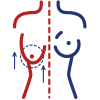
  • asymmetry of the mammary glands;
  • tubular breasts of an elongated shape with a lack of volume in the lateral and lower areas;
  • drooping of the mammary glands (ptosis) after pregnancy, weight loss or due to age-related changes;
  • absence of a mammary gland after mastectomy, post-traumatic and postoperative breast defects;
  • hypomastia is a congenital underdevelopment of the mammary glands.

Mammoplasty is performed after a complete examination. The operation is contraindicated for:

  • mastopathy and malignant tumors;
  • decompensated diabetes mellitus;
  • autoimmune diseases;
  • poor blood clotting;
  • acute respiratory diseases;
  • during lactation and for 6 months after its end;
  • severe chronic diseases in the acute stage;
  • heart and respiratory failure;
  • minors, less than 18 years of age;
  • mental disorders.

Types of plastic surgery

There are several types of mammoplasty:

  • Used to improve the shape of breasts with ptosis, after removal of breast implants. Removing excess skin, glandular and fatty tissue allows you to move the nipple to a higher position and restore harmonious breast contours.

  • The mammary gland is enlarged using round or anatomical implants. Women who have fat deposits have the opportunity to enlarge their breasts through lipofilling (injection of fat pumped out from the thighs, buttocks or abdomen).

  • Breast reduction is a more complex task. During the operation, part of the breast, excess fat and skin are removed.

  • The surgeon corrects asymmetry, adjusts the size of the areola, and forms a normal nipple convexity.

  • Depending on the cause of enlarged mammary glands in a man, liposuction or mastectomy is performed.

  • Repeated operations.

    Removal of damaged or outdated implants, gradual replacement of endoprostheses, if you need to greatly enlarge your breasts. Removal of capsular contracture.

Progress of the operation

Before surgery, the doctor will mark the incision lines. Mammoplasty is performed under general anesthesia. After putting the patient to sleep, the surgeon treats with an antiseptic.

The duration and technique of the operation depends on the type of mammoplasty. It can last from half an hour to 3-4 hours. After surgery, a sterile dressing or tape is applied to the chest. You will have to wear compression garments for at least a month. The price of linen is included in the total cost of the operation.

Rehabilitation after mammoplasty

Patients are in the hospital for 1-3 days. The chest swells, making it difficult to move the arms, and severe pain is felt. A hematoma may appear and the temperature may rise. To prevent bacterial infection, antibiotics are prescribed.

On days 7-10 you need to visit the clinic to have the stitches removed. For 20 days you can only sleep on your back, you cannot drive, or raise your arms above your chest. For 2-3 months after the operation, you cannot play sports, bend over, lift objects weighing more than 2 kg, sunbathe, swim, visit the bathhouse or sauna. Swelling subsides 3 weeks after surgery. After 6-12 months, the breast is restored.

Works of doctors

View other works

View other works

Mammoplasty at the ForMe clinic

The ForMe clinic with a plastic surgery department is located in the center of St. Petersburg. The doctors of the clinic have academic degrees and extensive experience in performing plastic and reconstructive surgeries. You can get acquainted with the cost of operations and sign up for a consultation directly on the website or by phone.


Experienced doctors

All doctors

Prices for breast surgery

<>

Other services

  • More details

    More details

  • More details

    More details

  • More details

    More details

Breast Lift

  • Вступление: Breast lift
  • Подстрочник: In the modern world, a woman’s need to look attractive is increasing. This gives her confidence in her capabilities and strengths. In this regard, plastic surgery is currently becoming increasingly important. The most popular interventions include mastopexy - plastic surgery for breast lift. It is one of the types of mammoplasty and allows you to give the mammary gland a good shape and achieve an attractive appearance.
    Typically, women turn to a plastic surgeon when characteristic problems appear that are a consequence of pregnancy and lactation, significant weight loss, as well as natural age-related changes leading to sagging (ptosis) of the breasts. Breast lift operations occupy a significant place in the work.
  • Promotion
  • Promotion
  • Promotion

Types of surgery

The term “breast mastopexy” refers to a whole range of different surgical techniques that share a common goal - to tighten sagging breasts. The causes and severity of ptosis can vary, so there are several techniques that can be used to achieve the desired result. These include:

  • Breast lift with a vertical incision.
  • Classic (anchor) operation.
  • Periareolar method.
  • Crescent or L-pexy.

In addition, surgical intervention, depending on the clinical indications and the desire of the woman, can be performed either in isolation (breast lift only) or in combination with other operations. The most popular is a lift with simultaneous breast augmentation. In this case, replenishment of the missing volume of the mammary glands can be carried out using implants or lipofilling (using the patient’s own fat tissue taken from other areas of the skin). Placing an implant in this situation helps to give the breast a more stable shape and prevents possible relapse of soft tissue in the distant future.

Types of mammoplasty surgery
Causes and mechanism of mastoptosis
01

Mastoptosis is characterized by prolapse of the soft tissues of the mammary gland and the nipple-areolar complex with deformation and loss of breast volume. The most common cause of this problem is childbirth and natural feeding. After cessation of lactation, the mammary glands significantly decrease in volume, connective tissue and skin do not return to their original state.

Sagging breasts are a purely aesthetic problem. Thin, numerous stretch marks often remain on stretched skin. stretch marks. In addition, with mastoptosis, diaper rash often appears under the breasts, which further increases aesthetic discomfort. Some women try to regain their previous breast shape through exercise, but in this case they are ineffective.

02

The second common cause of mastoptosis is age-related changes, in which the skin and ligaments lose their firmness and elasticity, as a result, the breasts become saggy and flabby. These processes are natural, so sooner or later they appear in every woman. Breast sagging is also observed with rapid weight loss. In this case, the volume of glandular tissue is preserved, but the skin does not have time to adapt to the new shape, which leads to breast sagging.

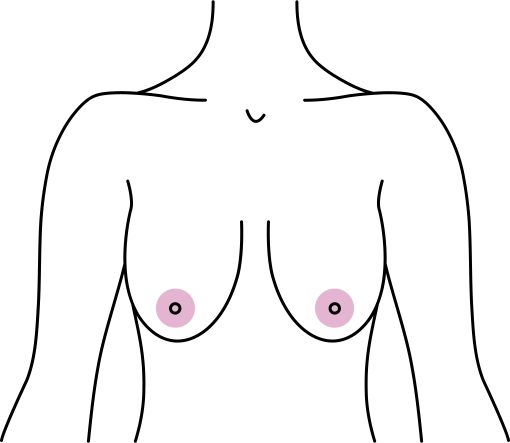
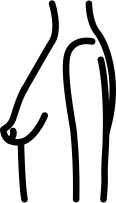
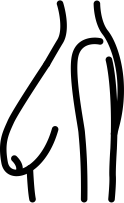
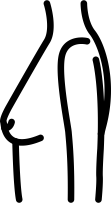
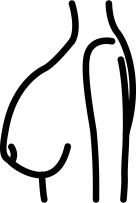
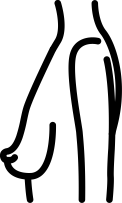
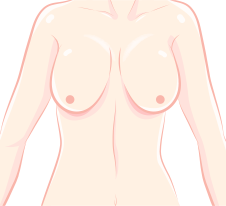
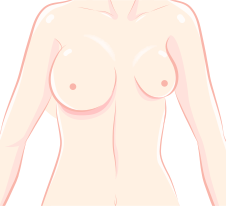
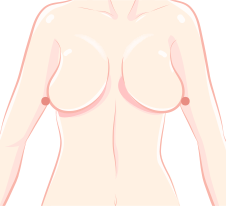
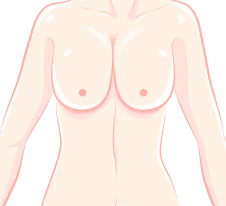
The degree of mastoptosis can vary. It is determined by the location of the nipple relative to the fold located under the breast. Normally, the nipple is located above the inframammary fold and is at the level of the middle of the shoulder for any woman’s height. If it is lower, then the degree of ptosis is determined:
Plastic surgeons distinguish the concept of “pseudoptosis”. In this condition, the nipple is located above the inframammary fold, and the mammary gland is lowered.
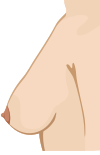
  • First degree ptosis

    First degree ptosis (minor)

    The location of the nipple is at the level of the inframammary fold or below it, no more than 1 cm.
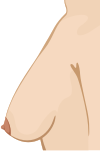
  • Second degree ptosis

    Second degree ptosis (moderate)

    The nipple is located 1-3 cm below the fold under the breast.
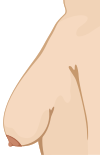
  • First degree ptosis

    Third degree ptosis (severe)

    The nipple is located below the level of the inframammary fold more than 3 cm and is directed downward.

When is a breast lift indicated?

To determine the indications for surgical intervention, a consultation with a surgeon is scheduled. During the appointment, the patient's medical history is collected. Particular attention is paid to previous pregnancies and childbirths, and the duration of breastfeeding. Fluctuations in a woman’s body weight (significant weight loss over 10-20 kg) are also important. Upon examination, the degree of prolapse of the mammary glands is determined.

The main indications for breast lift include:
  • Various degrees of mastoptosis.
  • Loss of breast shape and firmness.
  • Stretched breast skin with the formation of stretch marks when the size of the mammary glands decreases due to weight loss or after completion of lactation.
  • Asymmetrical mammary glands.
  • Downward-facing, low-lying nipple.
  • Age-related changes in the breasts, leading to sagging.
  • The patient's aesthetic dissatisfaction with the appearance of her breasts.
  • Elongated flat chest (“leather bags”).
  • Loss of breast volume in the upper pole.
  • Large, deformed and stretched areolas.

When can surgery be performed?

Women can undergo a breast lift if they have breast sagging of any degree, it all depends on their desire to change their appearance. Moreover, the less pronounced the ptosis before breast lift, the better the aesthetic effect of the operation and the long-term prognosis for maintaining the attractive shape of the mammary glands.

Mastopexy is performed on women over 18 years of age for aesthetic purposes if they want to improve the attractiveness of the mammary glands. Ideal candidates for this operation are women with small breasts and mild ptosis. In clinical practice, situations are more common when a combination of a lift with the installation of implants is indicated.

How to prepare for a breast lift

When a patient decides to undergo mastopexy, the choice of the clinic where the operation will be performed is of key importance. Important points to pay attention to are:

  • Equipped with expert class equipment, including for general anesthesia.
  • Qualification and experience of a plastic surgeon.
  • Availability of anesthesiologists with sufficient experience to provide reliable and safe anesthesia during surgery.

In addition, it is recommended that two weeks before the date of the facelift surgery, after prior consultation with your doctor, you should stop taking or reduce the dosage of certain medications that affect the blood coagulation system and increase the risk of bleeding. These drugs include anticoagulants, antiplatelet agents, hormonal and anti-inflammatory drugs.

Examination and basic tests

In order to make sure that the patient’s health condition allows a breast lift to be performed without risk, it is necessary to undergo a comprehensive examination. The standard list of examinations includes a general clinical analysis of blood and urine, coagulogram, electrocardiography, determination of blood group and Rh factor, fluorography, blood test for infections (HIV, syphilis, hepatitis), biochemical blood test. Additionally, depending on the type of plastic surgery, consultations with a gynecologist, mammologist and ultrasound of the mammary glands may be necessary. If the patient has chronic diseases, the list of necessary examinations can be expanded. In some cases, an additional conclusion from a physician may be required regarding the absence of contraindications for planned surgical treatment.

Main contraindications to surgery

Common reasons limiting breast lift, like any other elective surgery, include systemic diseases and mental disorders. The operation should not be performed if the patient’s examination revealed the following health problems:

  • Severe diseases of the cardiovascular system and kidneys;
  • Pathologies of blood clotting;
  • Decompensated diabetes mellitus;
  • A pronounced tendency to form keloid scars in the anamnesis;
  • Oncological diseases;
  • Acute infectious diseases.

Also, mastopexy is not performed on patients under 18 years of age, during pregnancy and breastfeeding. When planning the date of the proposed operation, you need to take into account that it is undesirable to perform surgery during menstruation.

How is breast lift surgery performed?

Most often, a lift is performed under general anesthesia. Breast lift surgery is a highly variable medical procedure. A wide variety of techniques allows us to find an individual approach to each patient. Surgical tactics are determined by the experience and preferences of the surgeon. Let's consider the main methods of operations.

Vertical mastopexy is a fairly common method of breast lift.

This method is the operation of choice for women with moderate mastoptosis and stretched areolas. During the lift, incisions are made around the areola and in the center of the mammary glands vertically down to the inframammary fold, then excess skin around the nipple and at the borders of the lower quadrants is removed, and loose tissue is tightened. The duration of the operation is about 2 hours. Most often, this method of surgical intervention preserves the sensitivity of the nipple and the natural shape of the breast. One of the disadvantages of this method of mastopexy is the vertical scar, which becomes almost invisible a year after the operation.

To get acquainted with the results of changes in the appearance of the mammary glands, we suggest looking at photos before and after a breast lift and studying reviews from patients after vertical mastopexy.

Periareolar mastopexy is a breast lift procedure performed through a circular incision around the areola.

It has limited indications and is used only for small degrees of prolapse and in the absence of asymmetry of the mammary glands. Periareolar mastopexy lasts about one hour on average.

Crescent mastopexy is performed through an incision that resembles the letter “L.”

This operation is indicated for moderately severe mastoptosis and moderately reduced breast skin tone.

Classic mastopexy is the most commonly used method of breast lift.

This operation is performed for severe ptosis of the mammary glands. In this case, the appearance of the surgical suture resembles an anchor or an inverted letter “T”. Such a wide surgical approach allows the surgeon to achieve maximum correction of mastoptosis. The advantage of this technique is the ability to radically change the shape of the mammary glands during the operation, taking into account the patient’s wishes. Unfortunately, scars remain on the skin, which over time will become barely noticeable; in addition, rehabilitation is longer compared to other methods.

Mastopexy with the installation of implants can be performed in cases where mastoptosis is combined with insufficiency or loss of volume of the mammary glands.

A lift with endoprosthetics is a mastopexy that improves the shape of the mammary glands. In most clinical situations, lifting and implant placement are performed during a single surgical procedure. In this case, the method of lifting (periareolar, vertical, anchor) depends on the degree of mastoptosis, and the method of placing silicone implants (under the breast or under the gland) depends on the supply of your own breast tissue. The advantages of this method, compared to mastopexy without the use of implants, include a time-stable result, as well as the optimal shape and size of the mammary glands after surgery.

Result of the operation

The primary effect is noticeable in the first days after the lift. On average, the breasts take on their shape and natural softness 3-6 months after surgery, and after a year the patient will be able to evaluate the final result. Scars on the skin gradually fade over time and become less noticeable, and the mammary glands take on their final appearance. Good appearance and firmness of the breasts after mastopexy, correct shape of the mammary glands - all these changes in appearance allow a woman to feel confident and attractive.

Result of mastopexy operation

Possible complications

With a highly qualified operating surgeon and the correct choice of mastopexy method, the risk of complications is minimal. But sometimes after breast lift surgery the following complications are possible:

Following all the recommendations of the attending physician in the postoperative period and wearing special compression garments during rehabilitation in most cases helps to avoid the development of complications.

  • The appearance of hypertrophic or keloid scars.

  • Asymmetry of the mammary glands.

  • The appearance of secondary breast ptosis, which occurs several years after the operation.

  • Decreased nipple sensitivity.

Postoperative period

Within a couple of hours after the operation, you can carefully get up, eat, and go to the toilet. In the early postoperative period, the doctor, as a rule, prescribes painkillers and medications.

In most cases, after breast lift surgery, drains are installed to allow wound fluid to drain and promote better healing. If the postoperative period is favorable, the drainage is removed within 1-2 days. On average, the surgeon removes the sutures after mastopexy on 12-14 days. The patient must wear compression garments around the clock for a month.

Rehabilitation after mastopexy

The length of rehabilitation time depends on the mastopexy method. It should be borne in mind that the younger the patient, the higher her ability to regenerate tissue and the faster the body recovers after surgery. In most cases, the rehabilitation period after breast lift surgery is about one to one and a half months. During this time, it is necessary to wear compression garments. To relieve swelling, you can use procedures that improve lymphatic drainage. It is also recommended that you stop playing sports for 4-6 weeks after surgery. The surgeon draws up an exact list of recommendations before discharging the patient from the clinic.

Frequently Asked Questions

  • How does a breast lift affect the possibility of conception, the course of subsequent pregnancy and breastfeeding?

    Mastopexy does not affect conception, subsequent pregnancy and childbirth. The milk ducts usually do not intersect, so the ability to lactation remains after surgery.

  • How to reduce the likelihood of scarring after a breast lift?

    After any surgical intervention, a scar remains on the skin. About a year after the operation, the scars will become thinner, pale and almost invisible on the skin.

Questions about breast lift

Works of doctors

View other works

View other works


Experienced doctors

All doctors

Breast lift prices

<>

Other services

  • More details

    More details

    To enlarge the mammary glands, silicone implants or the patient’s own fat tissue are used.
  • More details

    More details

    Nipple plastic surgery is a type of mammoplasty, a surgical operation to correct the shape, size of the areola or other defects using minimally invasive methods.
  • More details

    More details

    Breast lipofilling is a technique for correcting the shape and size of the mammary glands using transplantation of the patient’s own fat tissue.

Breast Reduction

  • Вступление: Breast reduction
  • Подстрочник: Reduction mammoplasty is a plastic surgery to reduce breasts.
    An enlarged breast contains excess skin, fat, and glandular tissue. This operation is considered the most difficult in breast plastic surgery, because the surgeon is faced with the task of not only removing a large amount of tissue, but also recreating the most natural, aesthetically beautiful shape of the mammary glands.
  • Promotion
  • Promotion
  • Promotion

Indications for surgery

Large breasts are referred to by two medical terms: macromastia and gigantomastia. Normally, the weight of one breast, depending on the size, ranges from 150 g (first size) to 600-700 g (third size). With macromastia, the weight of one breast can reach 1200 g, and with gigantomastia - from 1200 g or more. Both of these conditions are indications for reduction mammoplasty.

Large breasts lose their aesthetic properties (especially if the mammary glands are of different sizes) and lead to unpleasant symptoms, including:

  • Pain in the cervical and thoracic spine.
  • Poor posture.
  • Headaches.
  • Heaviness in the shoulder joints.
  • Painful indentations from underwear.
  • Diaper rash under the breasts.

In addition, it is difficult for women with large mammary glands to find comfortable and beautiful underwear and engage in various types of physical activity. All these problems can be eliminated through breast reduction surgery.

Indications for breast reduction

Main contraindications to surgery

General contraindications to reduction mammoplasty are:

  • Severe cardiovascular diseases
  • Bleeding disorder
  • Decompensated diabetes mellitus
  • Hyperthyroidism
  • Anemia
  • Severe venous insufficiency
  • Mental illness

A specific contraindication to surgery may be the patient’s disagreement with the presence of postoperative scars and changes in the sensitivity of the nipple-areolar complex, as well as possible limitation of lactation.

When can the procedure be performed?

01
Reduction mammoplasty is performed from the age of 18 to old age in the absence of contraindications. During puberty, intervention can be carried out if a girl has severe physical and psychological discomfort, but most often this is not advisable, since by the age of 18-20 a physiological decrease in the mammary gland occurs.
02
After pregnancy and lactation, surgery is possible 6-12 months after completion of breastfeeding. Overweight patients should delay surgery until their weight has stabilized.

Methods of reduction mammoplasty

Many breast reduction techniques have been developed, each of which has its own characteristics. The surgeon is faced with the task of choosing the most optimal option for forming a feeding (dermoglandular) pedicle, which is responsible for the blood circulation of the nipple-areolar complex, selecting an option for remodeling breast tissue, and determining the type of excision of excess skin. The main methods of breast reduction are:

  • Liposuction

  • Vertical reduction mammoplasty

  • Breast reduction with a short scar and periareolar lower pedicle SPAIR) according to D. Hammond

  • T-shaped mammary reduction according to Wise

Liposuction

Liposuction is a “scar-free” breast reduction technique. Liposuction is performed under general anesthesia with the additional use of local tumescent anesthesia - large volumes of a diluted solution of anesthetic and adrenaline. The solution is injected into the mammary gland until it becomes hard. Then small incisions are made into which cannulas are inserted - hollow tubes with a diameter of 3-4 mm connected to a vacuum device. The fat is mechanically broken down and sucked through a tube into the collection system. This method is suitable for young patients with elastic skin, for mammary glands that are enlarged mainly due to fat. In older patients, the skin is less elastic, and after liposuction the ptosis may increase. In such cases, it is advisable to perform a one-stage breast reduction and lift.

Vertical reduction mammoplasty

Vertical reduction mammoplasty consists of central resection (tissue removal) of the mammary gland, relocation of the nipple-areolar complex on the upper pedicle and the application of a vertical suture.

This technique is suitable for patients with a small expected reduction volume, preserved skin elasticity and body mass index within normal limits. The disadvantage of the technique is the high location of the nipple-areolar complex and the instability of the shape of the mammary gland.

T-shaped mammary reduction according to Wise

T-shaped mammary reduction according to Wise consists of in preserving the feeding lower pedicle, removing the surrounding tissue and forming a scar along the inframammary fold (the place under the base of the breast, its lower natural line) with a central extension to and around the areola, shaped like an inverted "T". The advantage of the technique is its relative simplicity and the ability to remove a large volume of tissue.

Breast reduction with a short scar and periareolar inferior pedicle (SPAIR) according to D. Hammond

Breast reduction with a short scar and periareolar inferior pedicle (SPAIR) according to D. Hammond includes preservation of the lower pedicle, removal of the upper pole of the gland tissue with the formation of a periareolar scar and a limited J-shaped scar. This technique is almost universal and is suitable for any degree of breast augmentation.

All types of surgical mammoplasty can be supplemented with liposuction.

Preparation for the procedure

  • Before the operation, the patient is examined by a surgeon, who takes a history and takes the necessary measurements.
    The doctor will be interested in the number of pregnancies, their planning and lactation in the future, the maximum size of the mammary gland during life, previous surgical interventions, concomitant diseases, smoking status, poor wound healing and a tendency to form pronounced scars, a history of hereditary breast cancer in close relatives.
  • Next, the doctor will move on to preoperative measurements.
    Height, weight, body mass index are recorded. The width of the base of the mammary gland, the contour of the upper pole, the asymmetry of the glands, the elasticity of the soft tissues of the lower pole, the consistency of the mammary glands, the distance from the sternum to the nipple (breast length), the distance from the nipple to the inframammary fold, the diameter of the areola and the estimated weight of the tissue to be removed are determined.
Questioning and careful measurements help to choose the appropriate surgical technique and predict possible complications.

Tests and examinations before the procedure

Preoperative examination before mammological operations includes laboratory tests, examination by doctors and instrumental diagnostics:

  • Complete blood count with platelets, leukocyte count and ESR.
  • Biochemical blood test (total protein, creatinine, bilirubin and its fractions, cholesterol, ALT, AST, urea).
  • Clinical urine analysis.
  • Coagulogram.
  • RW, antibodies to HIV, blood for hepatitis B and C.
  • Fluorography or radiography of the chest organs for up to a year.
  • ECG with conclusion.
  • Examination by a therapist and specialists (as indicated).
The complex of mandatory preoperative measures includes an examination by an anesthesiologist-resuscitator for indications and contraindications for anesthesia.
Also, before breast reduction surgery, a woman needs to have a mammogram, ultrasound of the mammary glands and consult with a breast oncologist to exclude neoplasms.

How does the procedure work?

The course and extent of the operation depends on the size of the gland and the chosen technique. For any method of operation, the following stages can be distinguished:
  • Skin markings.
    Skin markings.
  • Deep-epidermization (skin detachment).
    Deep-epidermization (skin detachment).
  • Removal of gland tissue.
    Removal of gland tissue.
  • Modeling a new form of the gland.
    Modeling a new form of the gland.
  • Skin removal and formation of the nipple-areolar complex.
    Skin removal and formation of the nipple-areolar complex.

Results of the procedure

Reduction mammoplasty solves both functional and aesthetic problems. Successful operation improves the patient’s quality of life – previously disturbing pain disappears, physical activity and level of social activity increases, and emotional indicators improve. After breast reduction surgery, the breasts become symmetrical, regular round in shape, with an anatomical location of the nipple-areolar complex. To familiarize yourself with the results of the operation, you can see the section “Photos before and after breast reduction surgery.”

Result of breast reduction surgery

Possible complications during and after the procedure

Breast reduction surgery is an extensive and technically challenging surgical procedure, so complications are possible in rare cases. In the early postoperative period, hematoma, suppuration, or dehiscence of the wound edges may occur. Treatment usually consists of eliminating the source of bleeding and prescribing antimicrobial therapy.

Late postoperative complications include:

  • Formation of pronounced scars

  • Deformation of the nipple and areola

  • Marginal necrosis and necrosis of the nipple-areolar complex

  • Impaired sensitivity of the skin and nipple

  • Changes in the shape and prolapse of the breast

The doctor warns the patient in advance about the possibility of all complications.

Applying the correct markings, following the surgical technique, and removing the optimal amount of tissue will help to avoid complications. Therefore, breast reduction surgery must be performed in a clinic that has sufficient experience in performing such operations.

One of the areas of plastic and aesthetic surgery at the ForMe clinic in St. Petersburg is breast reduction surgery. Surgeons with more than 10 years of experience will perform reduction mammoplasty as carefully and technically competent as possible. The use of current surgical techniques and modern equipment allows you to achieve an aesthetically attractive result and avoid complications.

Postoperative period and rehabilitation

Inpatient observation after breast reduction lasts 1-2 days. In the first 3-5 days, moderate chest pain may occur. Swelling persists for several weeks. In the postoperative period, antibacterial, decongestant, anti-inflammatory therapy, analgesics, and dressings are prescribed. On days 12-14, the patient must come to the clinic to have the stitches removed.

For 4-6 weeks after surgery, you must wear special supportive underwear and limit physical activity. A mammogram is recommended 6–12 months after surgery. The breasts take their final shape after 6–12 months.

Frequently Asked Questions

  • Is it possible to breastfeed in the future?

    Most types of reduction mammoplasty are associated with irreversible damage to the milk ducts, so future lactation is impossible. The exception is those types of operations that do not affect the nipple-areolar complex, for example, liposuction. The choice of technique remains with the plastic surgeon.

  • What happens to the mammary glands if you subsequently become pregnant?

    If pregnancy occurs, breast size may increase or remain the same. Sometimes after cessation of lactation there is a decrease in breast size.

  • Can breast enlargement occur again?

    Most often, repeated relapse occurs in patients undergoing intervention at puberty. Therefore, surgeons suggest resorting to reduction mammoplasty no earlier than 16 years of age.

Questions about breast reduction

Works of doctors

View other works

View other works


Experienced doctors

All doctors

How much does breast reduction surgery cost in St. Petersburg?

<>

Tubular Breast Correction

  • Вступление: Tubular breast surgery
  • Подстрочник: In most cases, it is possible to suspect the presence of an anomaly in the development of the mammary glands already in adolescence, when puberty begins. In the presence of genetic abnormalities, tubular breasts are formed. In medicine, tubular deformation refers to a wide range of congenital developmental pathologies.
    Externally, this is manifested by a narrowed base of the mammary glands, combined with their underdevelopment and reduced volume. In this case, the nipple-areola complex looks disproportionately large due to the hernia of this area, the distance between the mammary glands is increased, and their asymmetry and prolapse are common.
  • Promotion
  • Promotion
  • Promotion
tubular breast
The cause of this pathology has not been fully studied. The leading theory is a violation of the development of connective tissue and the ligamentous apparatus of the mammary glands, while the glandular tissue grows abnormally forward due to overstretching in the areola area.
Tubular breasts are a cosmetic defect that can cause significant psychological problems. The prevalence of this hereditary anomaly is not precisely known. On average, out of 40-50 patient requests for breast correction, there is one clinical case of tubular deformity. Currently, in plastic surgery there are quite effective surgical methods for tubular breast plastic surgery.

When is surgical correction indicated?

When a patient contacts a plastic surgeon during a consultation, features of the appearance of the mammary glands are identified, which help to make a diagnosis of tubular deformation.
These include the following signs:
  • The base of the mammary glands is reduced in diameter
    The base of the mammary glands is reduced in diameter;
  • cylindrical (tubular) chest
    Cylindrical (tubular) rather than conical breast shape;
  • Underdevelopment of breast tissue
    Underdevelopment of breast tissue, which leads to a decrease in its size;
  • higher than normal fold location
    Higher than normal location of the fold under the breast;
  • Large distance between mammary glands
    Large distance between the mammary glands;
  • The skin between the nipple and inframammary fold is dense
    The skin between the nipple and the inframammary fold is dense and poorly stretchable.
  • The skin between the nipple and inframammary fold is dense
    In addition, very often there is pronounced asymmetry and ptosis of the mammary glands.
Depending on how severe these signs are, three types of tubular deformation are distinguished:
  • First type
    The first type is characterized by underdevelopment of glandular tissue only in the lower inner quadrant, while the breast volume may be sufficient;
  • In type 2 deformity, tissue deficiency
    In type 2 deformity, there is a deficiency of breast tissue in both lower quadrants, causing the nipple-areola complex to point downward;
  • Third type
    The third type is total underdevelopment of glandular tissue in all quadrants, leading to minimal volume, with a pronounced narrowing of the base of the breast and a flattened nipple.
At the patient’s request, for any degree of tubularity, surgical correction can be performed, as a result of which an anatomically correct breast will be formed. But depending on the type of deformity, surgical methods may differ.

How to prepare for plastic surgery

  • choosing a clinic
    Preparation for tubular breast correction begins with choosing a clinic and a plastic surgeon.
    Surgical plastic surgery of congenital malformations of the mammary glands is one of the most complex interventions in mammoplasty, therefore the highly qualified doctor and extensive experience in performing such operations are crucial.
  • tubularity correction plan
    During the consultation, an individual tubularity correction plan is developed, depending on the type of breast deformity and taking into account the woman’s wishes.
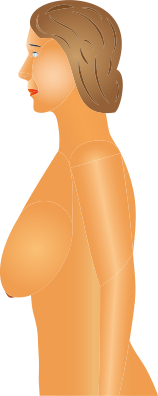
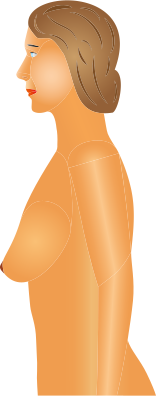
    In this case, the decision on the need to use breast implants is made together with the patient, depending on whether additional volume is needed or not, or whether plastic surgery is possible due to the redistribution of one’s own glandular tissue.
  • laboratory tests
    Before the operation, it is necessary to take tests (blood and urine) and undergo an examination (ECG and fluorography).
  • Coagulogram
    In addition, in most cases, you need to do an ultrasound of the mammary glands or mammography and undergo an examination by a mammologist.
  • Coagulogram
    It is also recommended to stop smoking two weeks before surgery and stop taking medications that affect blood clotting.

Possible contraindications

Conditions in which elective surgery, including tubular breast surgery, is contraindicated include:

  • Chronic diseases
    Severe chronic diseases in the stage of decompensation;
  • Blood clotting disorders
    Pathologies of the blood coagulation system;
  • Oncological diseases.
    Oncological diseases.
  • acute infections
    If acute infections of viral or bacterial etiology develop, surgery will be postponed until the patient recovers.

Also contraindicated is the period of pregnancy and lactation, age under 18 years.

How is tubular breast correction surgery performed?

  • breast reconstruction
    The operation is performed under general anesthesia.

    Its duration is about two hours.

  • breast reconstruction technique
    Various types of incisions may be used during surgery.

    But the most common is the periareolar approach, when the skin is incised circularly around the areola.

    The advantage of this incision is that the scars after surgery are almost invisible.
During surgical correction, a whole range of problems are solved:
  •  correct form
    The correct shape of the breast is created and its base expands;

  • Prolapse is eliminated
    Prolapse is eliminated due to mastopexy (lift);

  • Corrects breast asymmetry
    Asymmetry of the mammary glands is corrected;

  • nipple shape correction
    The shape of the nipples and the diameter of the areola are corrected;

  • natural fold under the breasts
    A natural fold is formed under the breast;

  • gland replenishment
    The missing volume of the mammary glands is replenished.

The wide variety of clinical variants of tubular deformities leads to the fact that the scope of intervention can vary in each specific case.

There are two main methods of surgery: with endoprosthetics and without implants.

Most often, plastic surgery without implants is possible only for the first type of deformity, when deviations are minimal, and the patient does not want to achieve an increase in breast volume, but only wants to correct its shape. In the vast majority of cases, intervention is performed using implants, which play an important role in the correction of tubular deformity. They perform the function of support when straightening the chest, maintaining it in the correct, physiological state. At the end of the operation, all tissues are sutured in layers. If necessary, drains are installed to drain wound fluid.

Effect of the operation

Thanks to the achievements of modern surgery, complete correction of tubular breasts is possible. The positive effect can be noticed immediately after the operation, and the final results are usually assessed 6-12 months after the intervention, when the process of tissue regeneration and healing is completely completed. As a result of plastic surgery, the mammary glands acquire the correct natural shape and the desired volume. They are symmetrical, with normal sized areolas and beautiful nipples, without signs of deformation or drooping. An ideal aesthetic result allows a woman to feel confident and attractive and get rid of psychological problems.

To get acquainted with the effect of changing the appearance of the mammary glands, we suggest looking at photos before and after tubular breast surgery and studying reviews from patients after tubular breast surgery.
Effect of the operation

Postoperative period and rehabilitation

As a rule, the next day after surgery, the drains are removed and the patient is discharged from the clinic.

On average, the rehabilitation period lasts about 4-6 weeks.

At this time it is necessary:

  • compression hosiery

    Wear compression garments and limit physical activity.

  • plastic surgeon recommendations

    Follow the recommendations of the plastic surgeon.

If these conditions are met, the risk of possible complications in the postoperative period is minimal.

Frequently Asked Questions

  • How to correct tubular breasts without surgery?

    Unfortunately, it is impossible to correct tubular breasts without surgery.

  • What is the cost of tubular breast surgery in St. Petersburg?

    The price for tubular breast surgery in different clinics in St. Petersburg may vary; it depends on the availability of modern equipment in the clinic, including for general anesthesia, and on the qualifications and experience of the plastic surgeon. In addition, an important point in pricing is the degree of tubular deformation and the extent of the proposed surgical intervention, as well as whether or not implants will be installed during the operation. The exact price of tubular breast surgery can be found out after consulting a plastic surgeon.

Works of doctors

View other works

View other works


Experienced doctors

All doctors

Cost of tubular breast surgery

<>