Based on texture, implants are divided into smooth and textured. Smooth implants have a slippery surface that allows them to move freely within the capsule. Textured implants have a rough surface that prevents the implant from moving or rotating.
Silicone implants come in different sizes by volume - from 100 to 800 ml. The choice of volume depends on the woman’s wishes, as well as on her anatomical features: chest width, skin thickness, volume of the fat layer. In addition to installing implants, augmentation through fat is also possible. This procedure is called lipofilling. It is recommended for girls who do not want drastic changes, but strive to improve the shape of the mammary glands.

Types of access
Access is a method of inserting an implant into the breast cavity. It can be axillary, areolar or submammary.

Its advantage is the absence of visible scars. The disadvantage is the difficulty of controlling the position of the implant and the risk of damage to the lymphatic vessels.

It allows you to create a natural shape and minimizes the appearance of scars. The disadvantage of this method is the risk of impaired nipple sensitivity and lactation.

Its advantage is the ease of operation and good control of the position of the implant. It should be taken into account that a scar will remain on the lower part. It may be noticeable when wearing open clothing or underwear.
Consultation with a therapist and anesthesiologist is also necessary. These specialists will assess the patient’s health, check chronic diseases, allergies to medications or other substances, as well as previous experience with anesthesia. Based on the results of the consultation, they will select the type of anesthesia (usually general anesthesia) and give recommendations on how to prepare for it.
Two weeks before surgery, you should stop taking aspirin and other drugs that increase the risk of bleeding. It is also necessary to stop taking hormonal contraceptives 2 weeks in advance. They may increase the risk of blood clots.
Before the operation, you will need to give up bad habits. Two weeks before the procedure, you must completely stop drinking alcohol and smoking. These habits adversely affect the tissue healing process, causing vascular spasms or infection. You cannot eat 8 hours before surgery, and drink 6 hours before surgery.

How is the operation performed?
The operation begins with the choice of anesthesia. General anesthesia is usually used; in rare cases, local anesthesia with sedation (sedatives) is used. In this case, the patient remains conscious, but does not feel pain in the surgical area. Next, the location of the implant is marked. The surgeon makes markings, indicating the location of the implant, its size, shape, and the location of the incision for access.
The procedure lasts from 1 to 3 hours. The surgeon makes an incision along the selected access, separates the breast tissue, creates a cavity for the implant, inserts it, and fixes it in the desired position. He then closes the incision with stitches and applies a sterile dressing. After the procedure is completed, the surgeon puts on compression garments, which help reduce swelling and maintain shape. The patient is transferred to the observation room.

At the end of the first week, painkillers are stopped. The bruises gradually disappear, but there may be itching of the mammary glands, which get used to the new size. At this stage of rehabilitation, it is recommended to wear tight shapewear. Physical activity and sexual activity are still excluded. At the end of the first week, the sutures and bandages are also removed.
At the end of the third week of rehabilitation, a new breast shape gradually takes shape, and swelling and bruising disappear. The itching also no longer bothers me. Therefore, physical activity is already possible, you can go to work. At this stage it is necessary:
- continue to wear special underwear;
- avoid sunbathing or sauna;
- do not take hot baths or showers;
- Do not expose your breasts to mechanical stress.

Experienced doctors
-
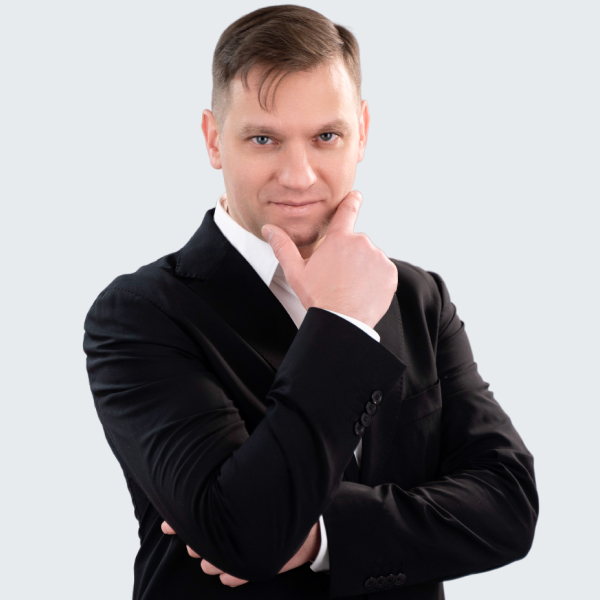
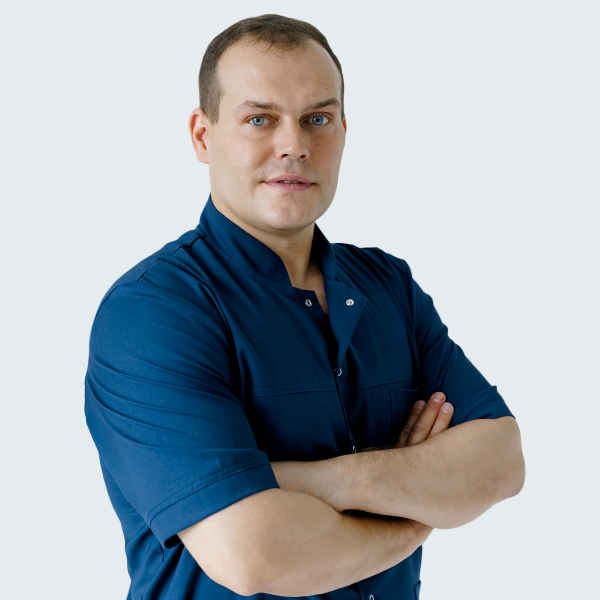
Ekimov Stanislav
Head of the Department of Plastic Surgery, plastic surgeon, physician of the highest qualification category
Подробнее -
-
-
-

-
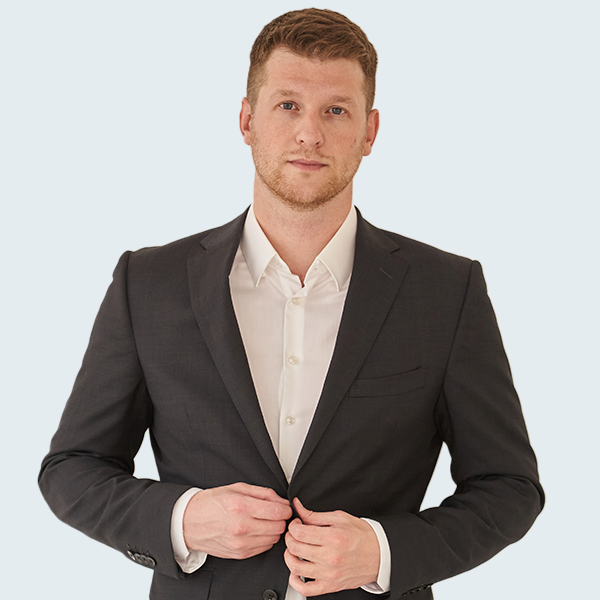
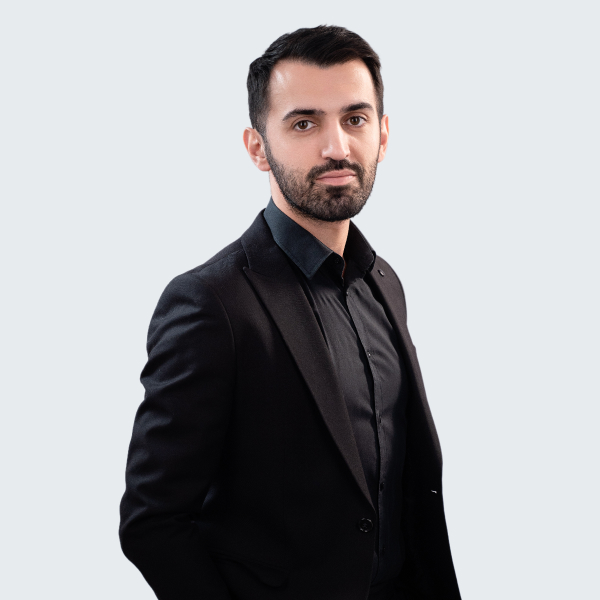
Koen Ivan
Plastic surgeon, candidate of medical sciences, physician of the first qualification category
Подробнее -
-
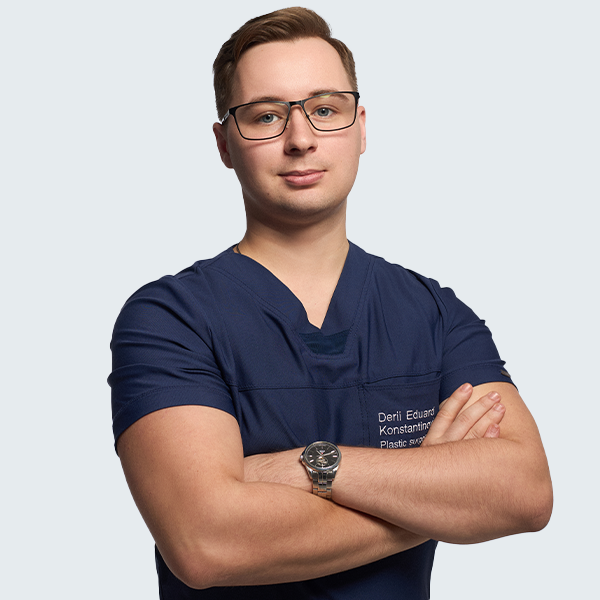
-
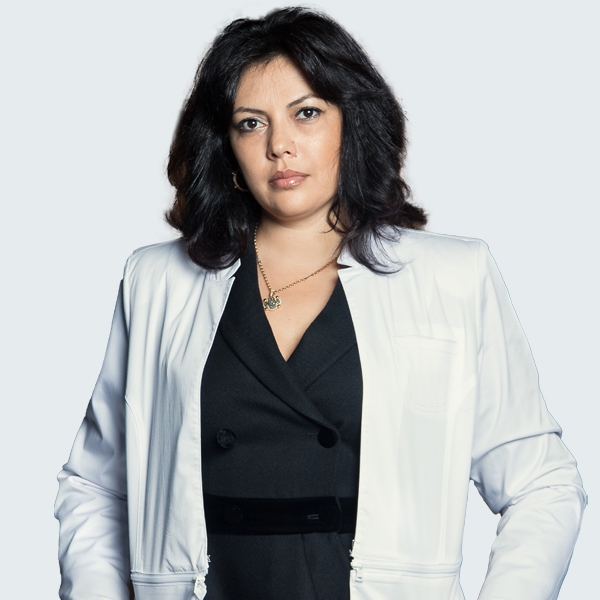
Sarkisyan Irina
Plastic surgeon, Candidate of Medical Sciences, Associate Professor of the Department of Plastic and Reconstructive Surgery of St. Petersburg Medical University
Подробнее -
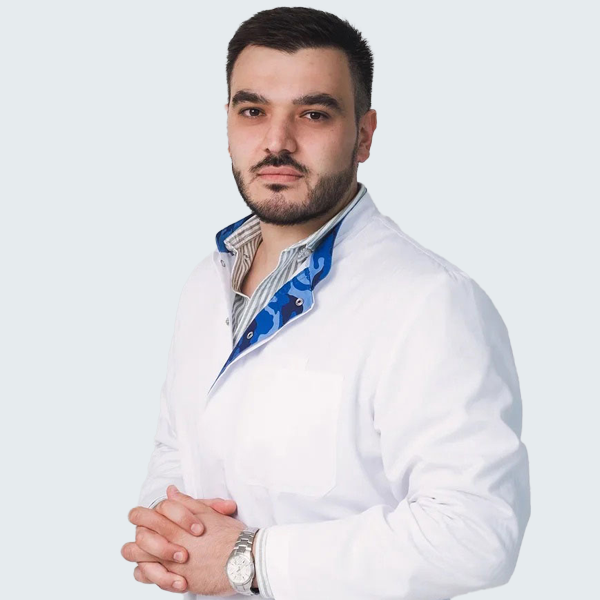
-

-
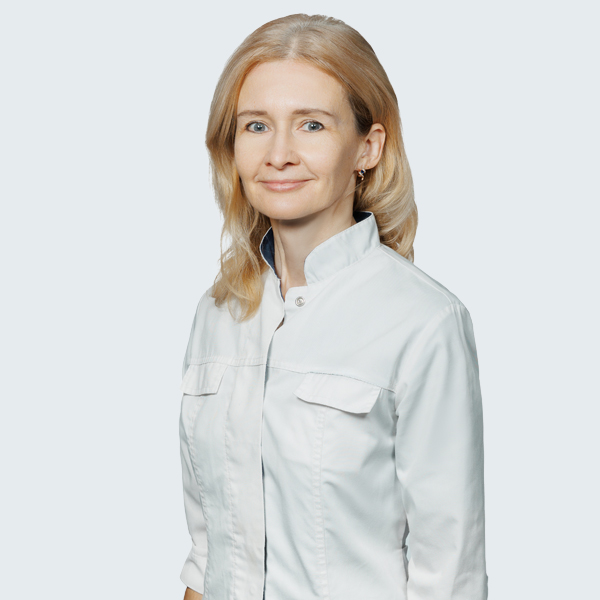
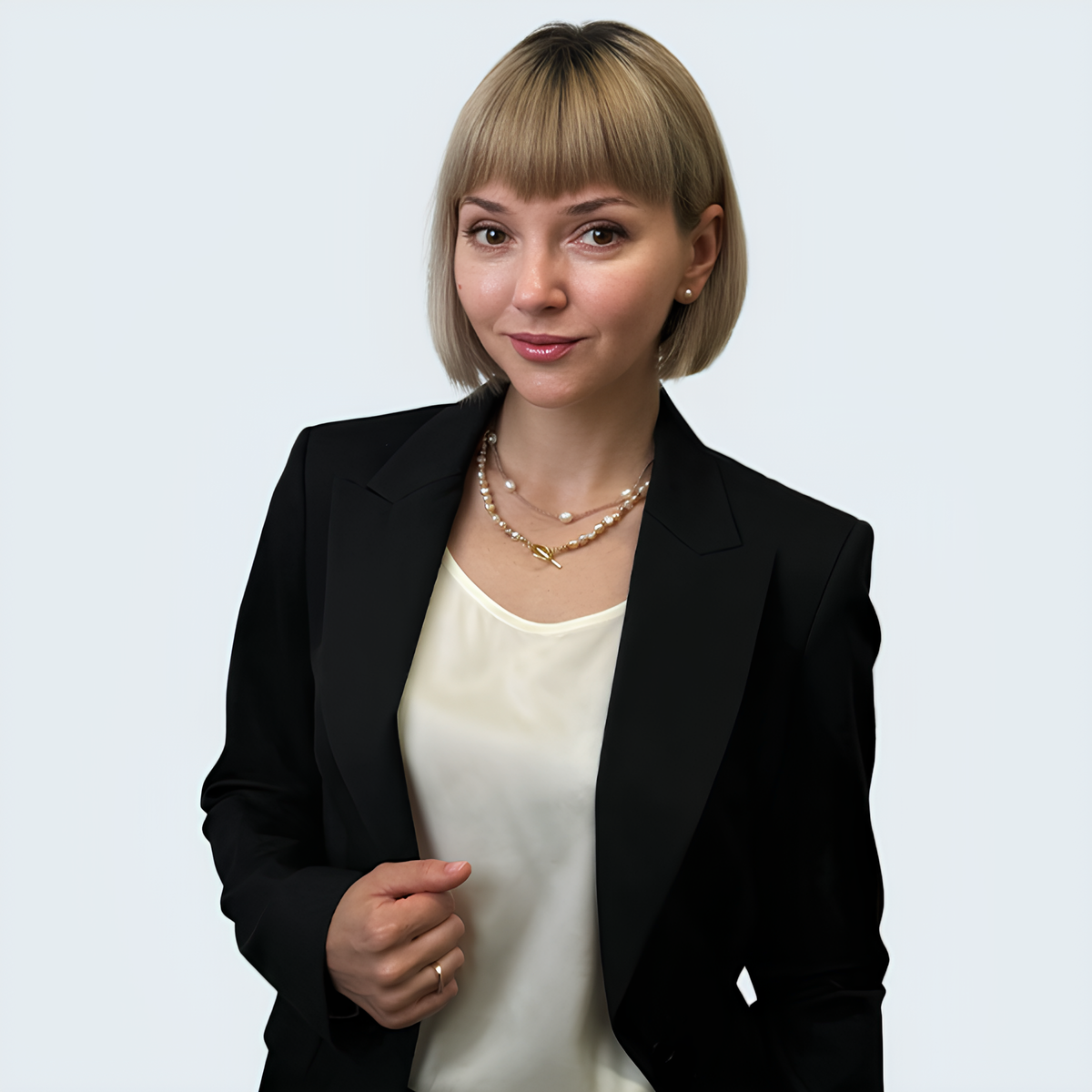
Ostrinskaya Tatyana
Plastic surgeon, doctor of the highest qualification category, candidate of medical sciences, associate professor
Подробнее -
-

-

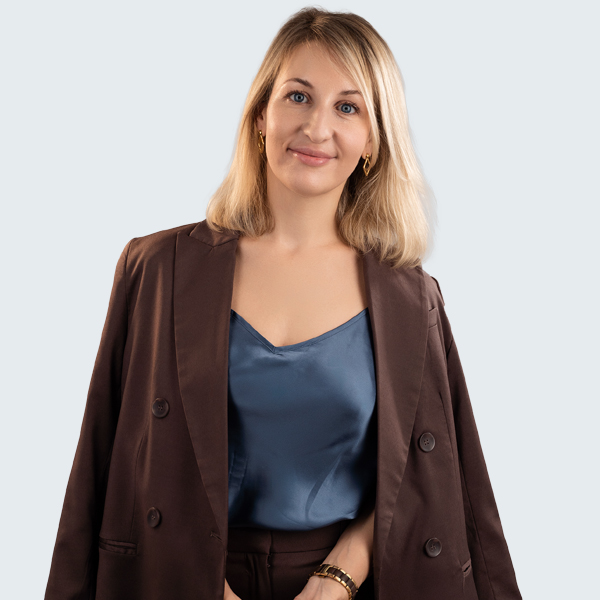
Lopatkina Marina
Deputy Chief Physician for Development of the Cosmetology Department, physician of the highest qualification category, expert doctor, dermatovenerologist, cosmetologist
Подробнее -
-
-

-
-