Otoplasty

Otoplasty

Otoplasty is an aesthetic and reconstructive plastic surgery that allows you to change the shape, size or position of the ears in order to achieve harmonious proportions. Ear correction may be necessary if the patient is bothered by protruding ears, unusually large ears, severe asymmetry, changes in shape after injury, or congenital anomalies: for example, complete or partial absence of the auricle.

Methods and types of otoplasty

Elimination of protruding ears and correction of other defects is performed using basic plastic surgery techniques:

Mustard method
During the operation, the doctor forms an antihelix, which is absent in the patient with protruding ears. The surgeon makes an incision in the area behind the ear cartilage and thins it. Then the antihelix itself is formed and secured with sutures.
Etenstorm method
This type of otoplasty is used to reduce the size of the ears. The surgeon cuts down to about one centimeter in the area of ​​the behind-the-ear fold, thins the cartilage tissue, models it and connects the skin with sutures to fix the position.
Furnas method
This otoplasty method removes the tissue between the external ear canal and the head, then tightens the ear cartilage, which is attached to the bone. Doctors use this technique to eliminate protruding ears.

Who is prescribed otoplasty?

Many patients from different cities and even countries who have the following indications come to our clinic for ear plastic surgery:
protruding ears or other deformities;
excessive depth of the auricle;
uneven ear development;
ear damage due to injury or illness;
congenital anomalies.
Contraindications to otoplasty:
ARVI, acute respiratory infections;
exacerbation of chronic diseases;
problems with blood circulation;
deficiency of blood supply to the auricle;
bleeding disorders;
mental disorders;
poor wound healing or skin scarring.
Ear surgery is performed on adults over 18 years of age. Before otoplasty, it is necessary to undergo a specialist consultation and examination to determine the indications for the operation, as well as to identify possible contraindications. Registration is carried out by phone and on the ForMe website.

Preparation for otoplasty

During a personal meeting, the doctor will listen to your wishes and tell you in detail about ear correction methods, possible risks and results. No later than two weeks before the operation, you will need to undergo laboratory and instrumental tests: take blood and urine tests, sign up for an ECG, and consult with a general practitioner. Also, in a couple of weeks you should stop smoking and drinking alcohol, and stop taking medications that reduce blood clotting. For example, those that contain acetylsalicylic acid.

On the eve of otoplasty, you should wash your hair with shampoo and not eat or drink for six hours before surgery. Immediately before ear correction, our doctor will take a photograph of you to evaluate the result, and, if necessary, make a special surgical hairstyle so that your hair does not block access to your ears.

Stages of otoplasty

Ear plastic surgery in our clinic in St. Petersburg consists of several stages:

Before otoplasty, the patient is put into medicated sleep, or an anesthetic is administered to reduce discomfort and eliminate pain during the operation.
The plastic surgeon makes an incision in the back of the ear and reshapes the cartilage to correct its shape. It is important that the ear fits closer to the head. If necessary, the doctor sutures the earlobes and removes excess skin.
To fix the new position of the cartilage, the doctor places rollers on the ears, on top of which he places a bandage or bandage. The rollers should be used for another month after correction. The operation takes approximately 1–2 hours.

The final result of the operation is not immediately visible, as it takes time to heal and fix the new shape of the ears.

Rehabilitation period

  • Immediately after surgery.
    If there was general anesthesia, the patient remains in the hospital for observation for 1–2 days. During this period, slight discomfort, pain and swelling may be felt.
  • First days.
    You should take prescribed medications, maintain hygiene, and not exert yourself physically. It is also recommended to wear a headband to maintain the shape of the ears.
  • Healing period.
    In the following weeks, tissue swelling and hematomas may persist. It is important to care for the wound, consider restrictions on physical activity, follow recommendations, and attend checkups to monitor healing.
  • Final restoration.
    Full recovery usually takes from several weeks to several months. During this period, a change in skin sensitivity may be observed.

To make scars even more invisible, the surgeon can prescribe procedures from a cosmetologist. For example, an effective technique is laser therapy aimed at smoothing the relief of seams. It can be done at our medical center. In addition, we have developed the best rehabilitation programs.

Ear surgery before and after

Why you should contact the ForMe clinic

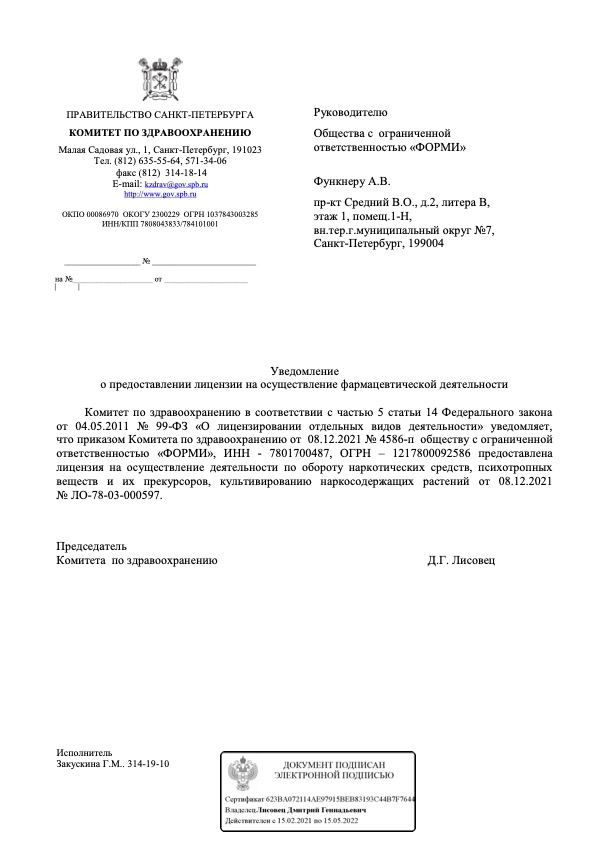
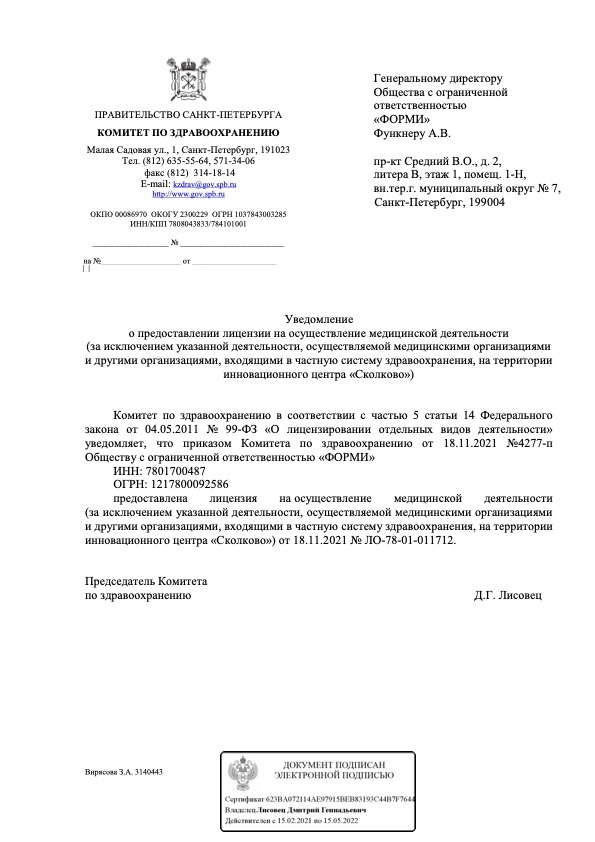
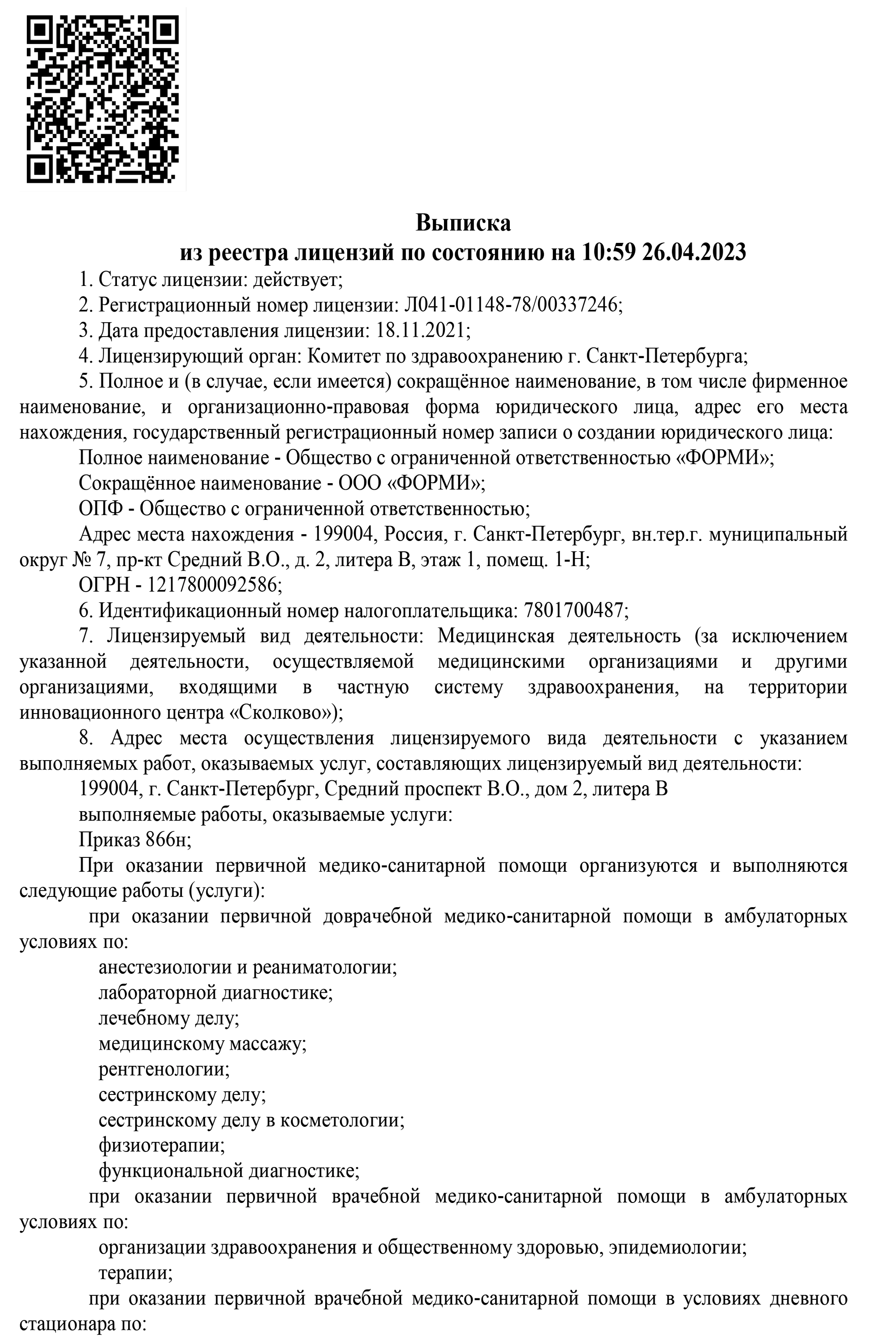
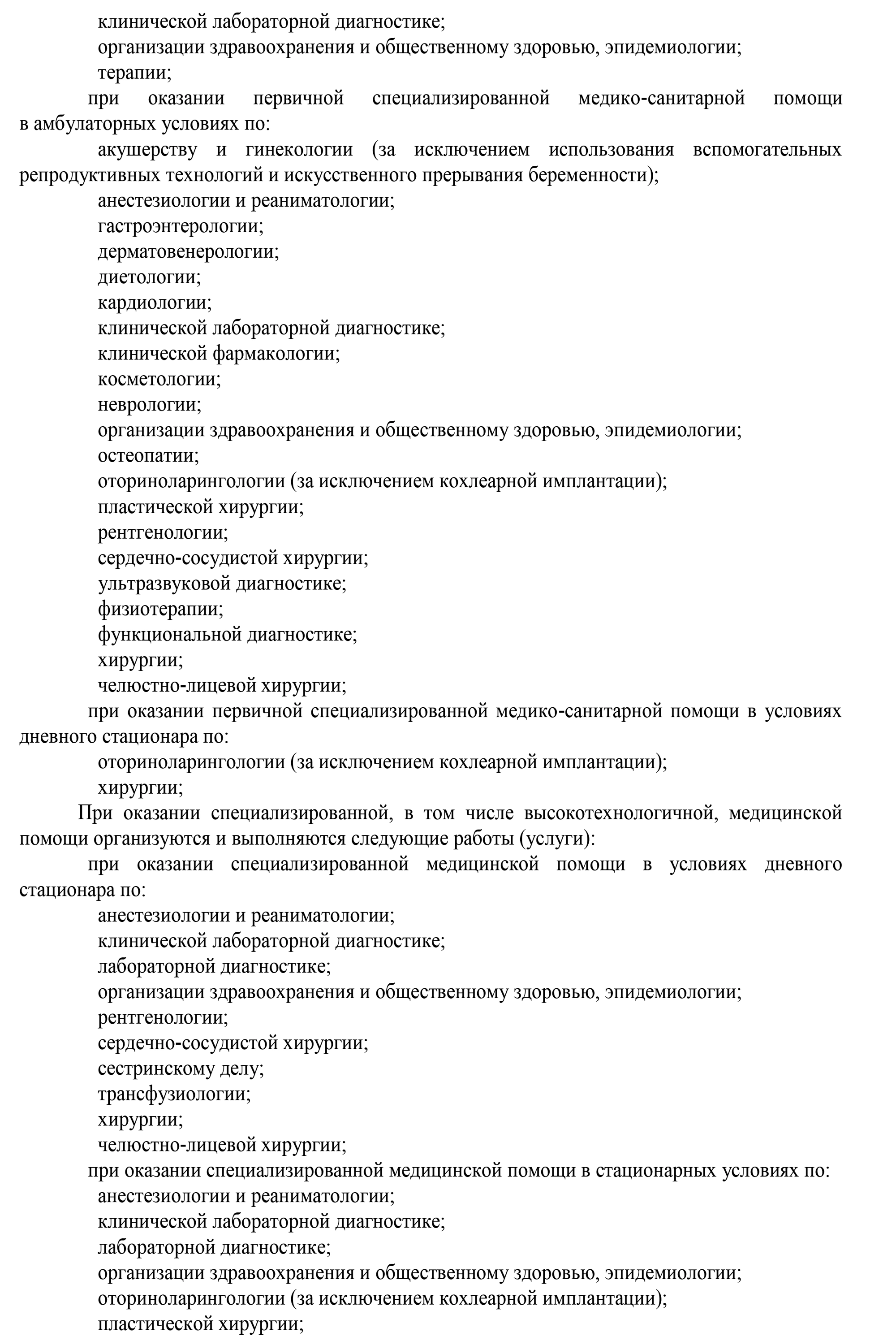
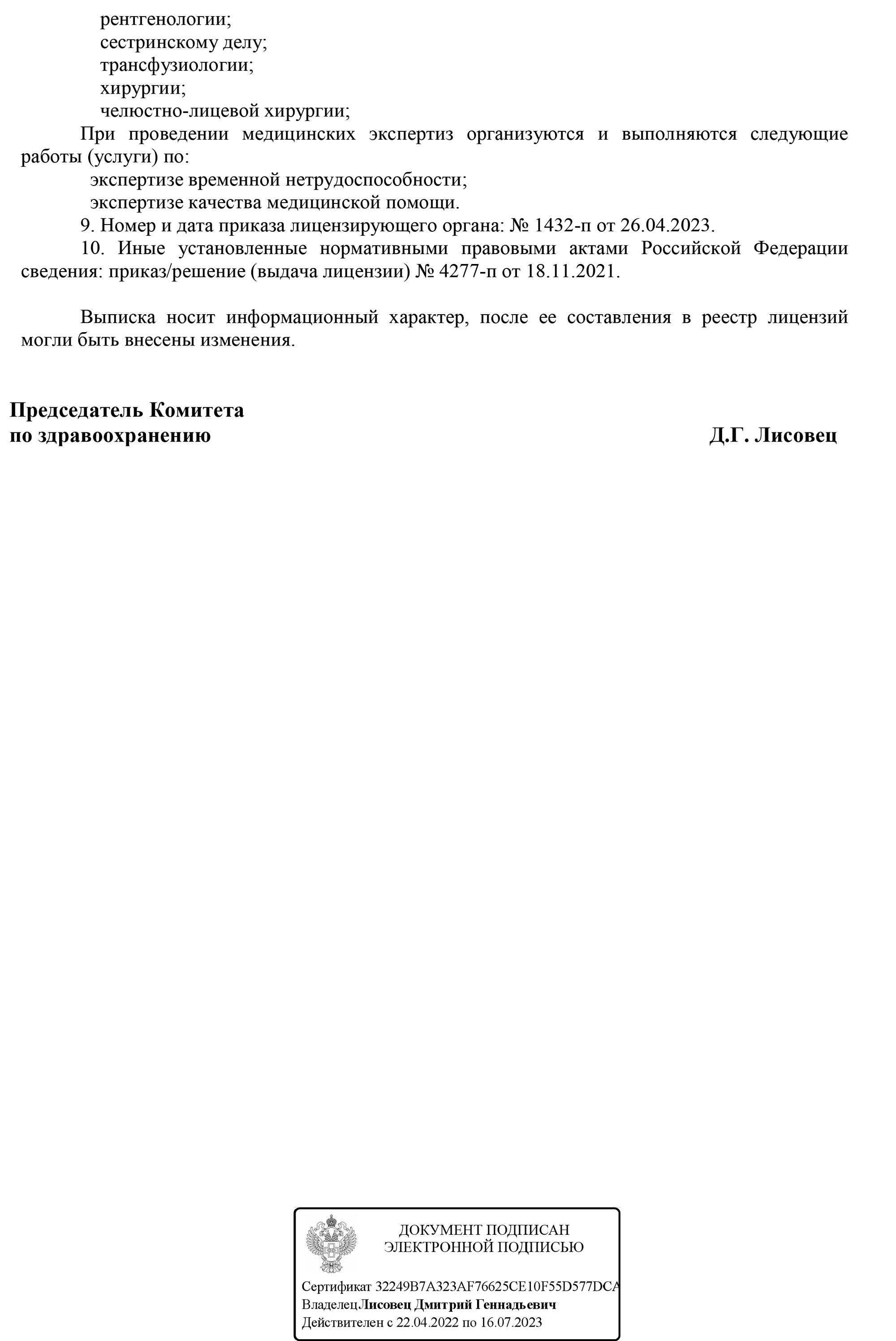
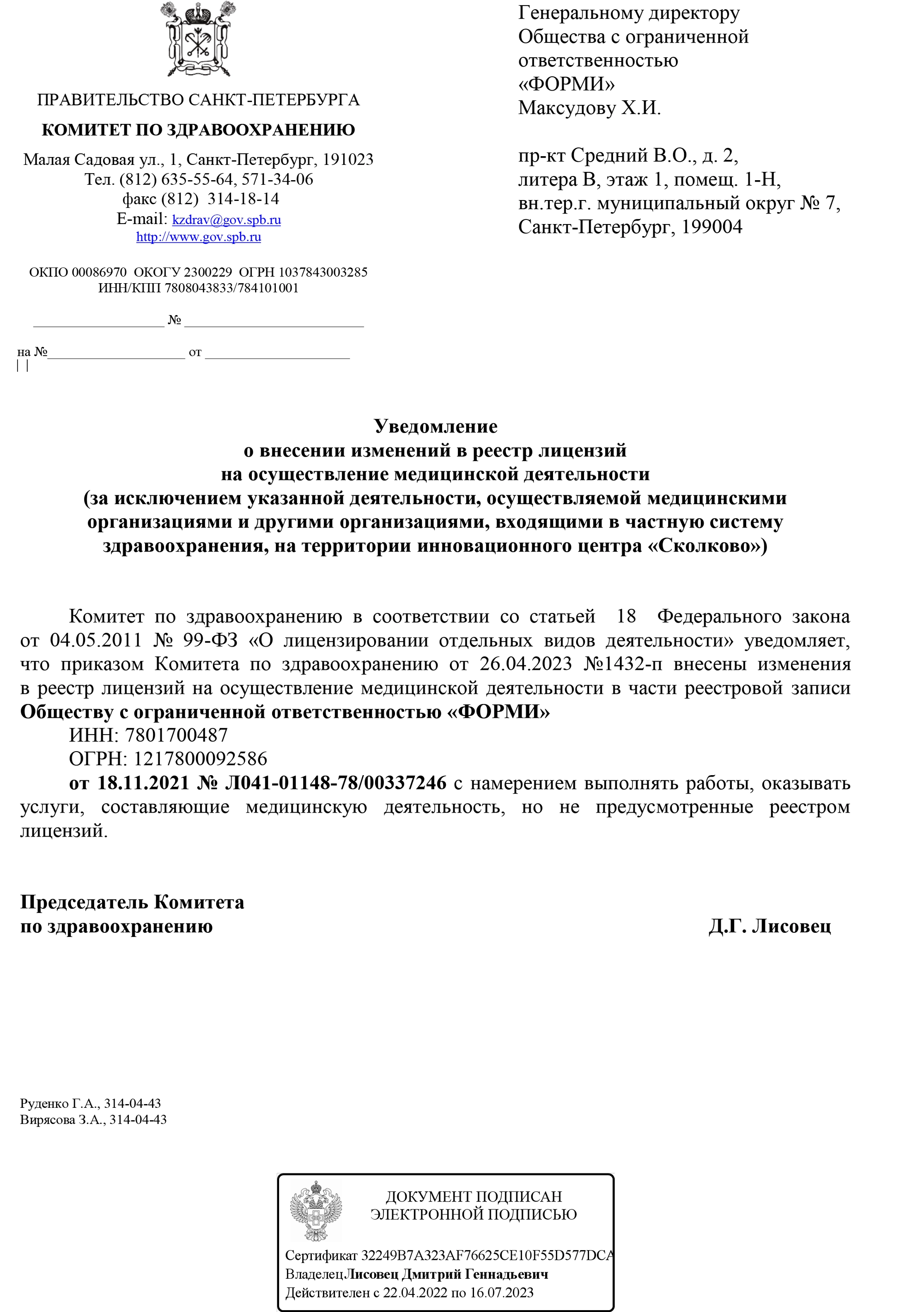
At the ForMe clinic, experienced doctors in St. Petersburg provide consultations and perform otoplasty, who know all the modern techniques in the field of ear correction and use the most modern equipment. We have a medical license and all the necessary certificates confirming the experience and qualifications of doctors.

You can find out the exact prices for services, ask questions, and also sign up for a consultation by phone, online on the website or during a personal visit. The cost of the operation depends on the type of technique chosen, the initial problem and the scope of the intervention. As for the address: we are located in the Vasileostrovsky district - on Sredny Avenue of Vasilyevsky Island, 2B.


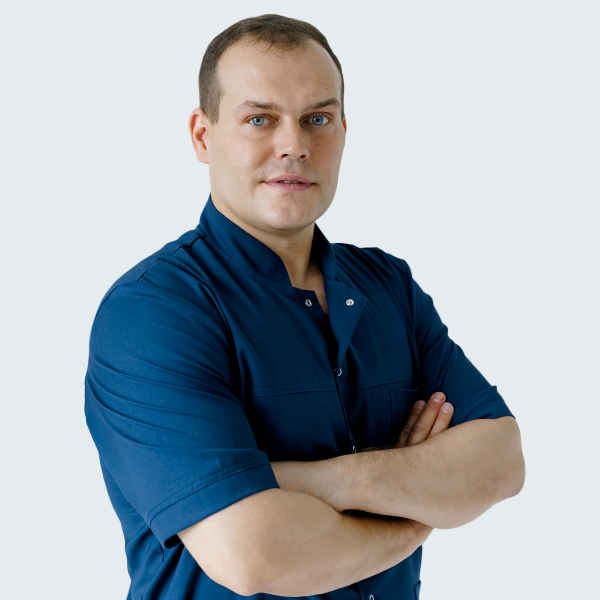
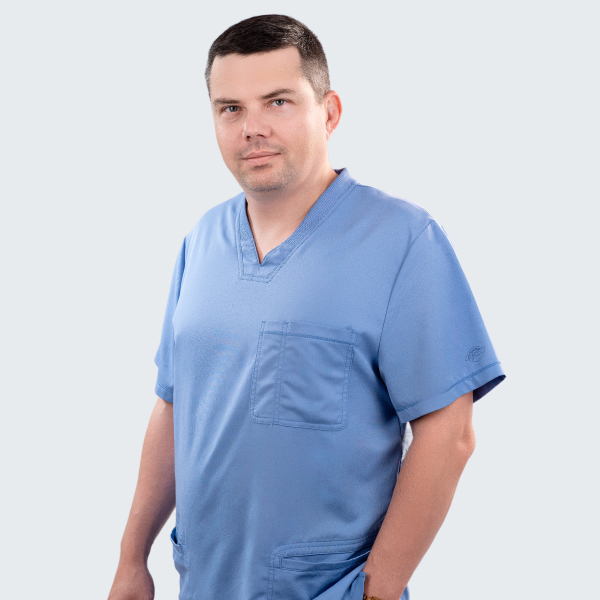
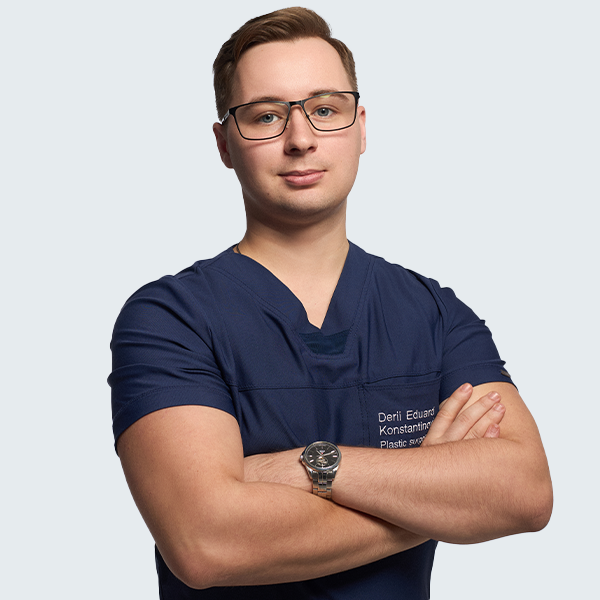
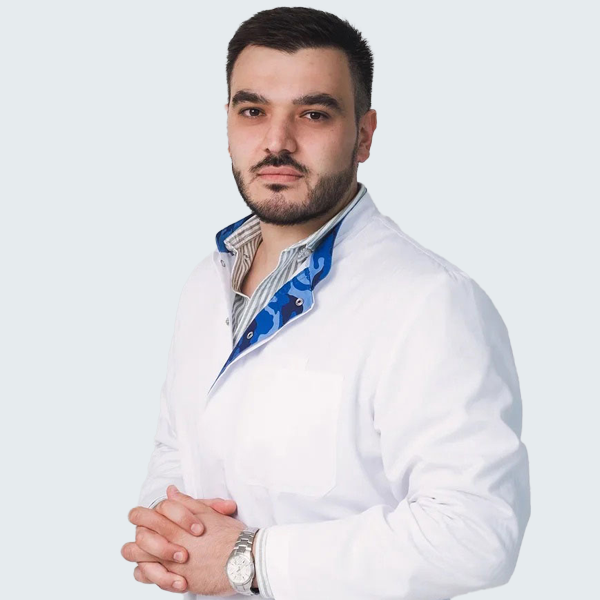
Experienced doctors

    Prices for otoplasty

    Стоимость операции зависит от ее объема и сложности, которые определяются на консультации пластического хирурга. Сложность операции может зависеть от различных факторов, включая тип операции, состояние пациента, наличие осложнений и требуемое время для выполнения операции.
    В данном разделе указана стоимость работы врача без учета анестезии, пребывания в палате, предоперационного обследования и послеоперационного наблюдения.
    Окончательную стоимость операции можно узнать по итогам очной консультации с хирургом.

    Отзывы пациентов


      Лицензии