Lipomodeling

Lipomodeling­vanie

Currently, plastic surgery has expanded its capabilities and gone beyond standard operating techniques, which include excision of excess skin and removal of fatty tissue. Liposculpture implies an integrated approach to the formation of a beautiful and harmoniously built body; this is a modern trend in the development of aesthetic medicine.
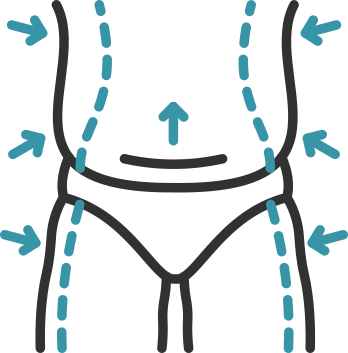
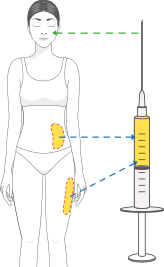
The essence of this technique is that surgical intervention improves the contours of the patient’s figure due to the redistribution of his own adipose tissue. First, liposuction is performed - fat deposits are sucked out using a vacuum from areas where there is excess fat and fat is sucked out from problem areas using a vacuum (most often from the lower abdomen, sides and thighs). Then, during lipofilling, the patient's own fat tissue is injected into areas with a lack of volume (for example, the buttocks or mammary glands).
benefits of lipomodeling
The advantages of lipomodeling include the safety of the procedure and the natural result obtained, since the patient’s own adipose tissue is used in the process. In medical practice, this surgical intervention is often performed in combination with other plastic surgeries, for example, along with abdominoplasty, breast augmentation, reconstruction of the intimate area after the birth of a child.

Types of procedure

Liposculpture will help all patients who want to achieve a sculpted body. This technique will help emphasize the muscular silhouette of the abdomen, back, buttocks, arms and legs. With the help of aesthetic modeling, with the right approach, it is possible to solve problems in almost any area of ​​the body:
abdominal area

In the abdominal area

liposculpture of the abdomen will help create a flat and toned relief, highlight and emphasize the “cubes” of the press.
Chin

On the chin

liposculpture of the abdomen will help create a flat and toned relief, highlight and emphasize the “cubes” of the press.
back and shoulder blades

Correction of the upper back and shoulder blade area

allows you to remove fat folds, the figure becomes graceful and more toned.
waist and back area

Waist area, lower back and buttocks

the most common correction zones. Typically, excess fat is removed circularly throughout the body, which allows you to shape the waistline. Subsequently, at the request of the patient, the fat graft is placed in the area where there is tissue deficiency to obtain attractive shapes. For example, liposculpture of the buttocks allows you to increase their volume, give them the correct rounded shape, without depressions or irregularities.
breast

Breast liposculpture

will help women increase the volume of the mammary glands during breast lift (mastopexy), eliminate defects after previously unsuccessful aesthetic surgeries.
Lipomodeling is also used to correct breast asymmetry of any origin and as an additional way to give the desired volume in combination with other methods of mammoplasty (endoprosthetics with implants, reconstructive surgeries after mastectomy). In men, the projection of the pectoral muscle may increase.
hand lipomodeling

Lipomodeling of the arms, shoulder girdle and axillary folds

forms their correct attractive relief.
Also, liposculpture can help correct defects such as limited accumulation of adipose tissue on the outer surface of the thighs and curvature of the legs. As a result, slender, attractive legs are formed.
Who is the operation indicated for?

Liposculpture is suitable for clients who wish to achieve a harmonious, proportional body by correcting excess or deficiency of adipose tissue in various areas. Moreover, this method is characterized by an integrated approach, in which the operating surgeon acts as a body sculptor.
Liposculpture
This surgical intervention is performed for aesthetic purposes at the request of the patient who has reached the age of 18 years. The procedure does not pursue the goal of losing weight or losing weight, since its purpose is to correct shape. The amount of fat removed during liposculpture is usually small. This manipulation is not indicated for patients with severe obesity. The operating surgeon also evaluates the condition of the skin, its elasticity and firmness. This is important for predicting the degree of contractility and extensibility of the skin after manipulation in correction areas
Indications for lipofilling are the presence of certain imperfections (facial wrinkles, facial asymmetry, aging of the hands, imperfect shape of the buttocks, etc.) and the desire to correct them. The procedure will also help those patients who, due to the presence of one or another external defect, experience psychological problems, which include low self-esteem, self-doubt, and the inability to build harmonious relationships with the opposite sex.

Preparation for lipomodeling
Doctor

When a patient decides to undergo body liposculpture, the first step is a consultation with a plastic surgeon, during which he talks about what kind of figure he wants to get as a result. During the examination, the doctor determines the areas that will be corrected, assesses the condition of the skin and subcutaneous tissue, and the amount of fatty tissue in the donor areas. In conclusion, the specific technique that will be used during the manipulation, as well as the number of operated areas, is determined.

additional examination

In addition, it is recommended to stop smoking two weeks before the date of surgery and, in consultation with the attending physician, stop taking medications that increase the risk of bleeding. These medications include anticoagulants and antiplatelet agents (such as aspirin).

Examination and basic tests before the procedure

After consultation with a surgeon, the patient undergoes an examination to exclude possible contraindications to surgical treatment, which allows for a comprehensive assessment of his health. Usually prescribed:
General urine analysis.
General clinical analysis of blood and urine
Coagulogram
Coagulogram
Testing for HIV, syphilis, hepatitis.
Electrocardiography
Testing for HIV, syphilis, hepatitis.
Blood type and Rh factor
Testing for HIV, syphilis, hepatitis.
X-ray of the lungs or fluorography
Testing for HIV, syphilis, hepatitis.
Blood for infections (HIV, syphilis, hepatitis)
General and biochemical blood test.
Biochemical blood test
Additionally, if breast reconstruction is planned during liposculpture, examinations by a gynecologist, mammologist and ultrasound of the mammary glands may be recommended.
If the patient has chronic diseases, the list of tests prescribed can be expanded. In certain clinical situations, a physician’s opinion may be required regarding the absence of contraindications for planned surgical treatment.

Possible contraindications

Like any planned surgical intervention, liposculpture is not performed in the presence of acute infections, inflammatory or oncological processes. Decompensation of chronic diseases, bleeding disorders, mental disorders are grounds for refusal to perform the procedure. Also, pregnancy and lactation are contraindications for any elective surgery. When planning the date of the procedure, you need to take into account that it is not advisable to perform surgery during menstruation.

How is liposculpture performed?
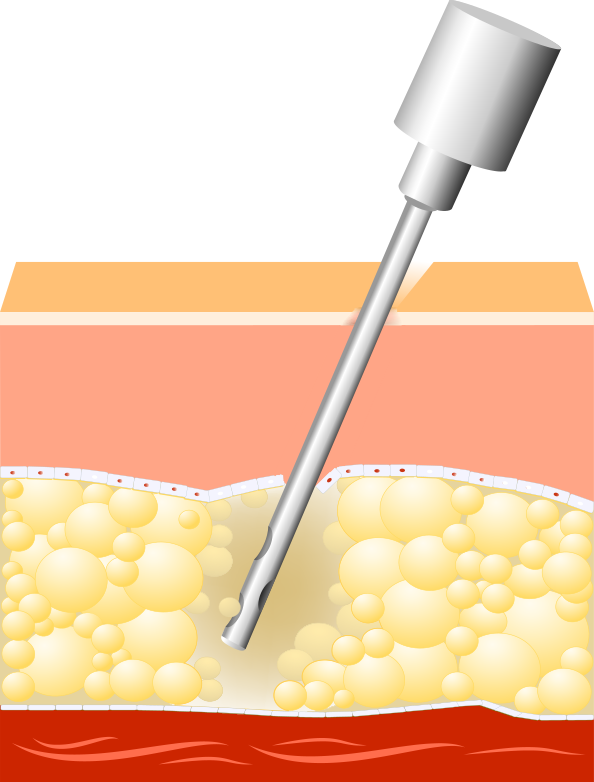
Body liposculpture can be performed under general anesthesia or local anesthesia. The choice of pain relief method is determined after consultation with an anesthesiologist, taking into account the patient’s wishes.
Fat graft harvesting
The operation begins with the removal of a fat graft (liposuction) in the area where it is necessary to reduce the volume

Usually this is the stomach, lower back or inner thighs.

Minimal trauma to tissues and adipocytes (fat cells) can be achieved using hardware vibration or water-jet liposuction methods. For this purpose, special thin cannulas are used - needles with a rounded end that do not injure blood vessels and nerve fibers. These instruments are inserted through mini-punctures on the skin in inconspicuous places (along existing scars or stretch marks, in skin folds, or in the area of ​​existing hair).

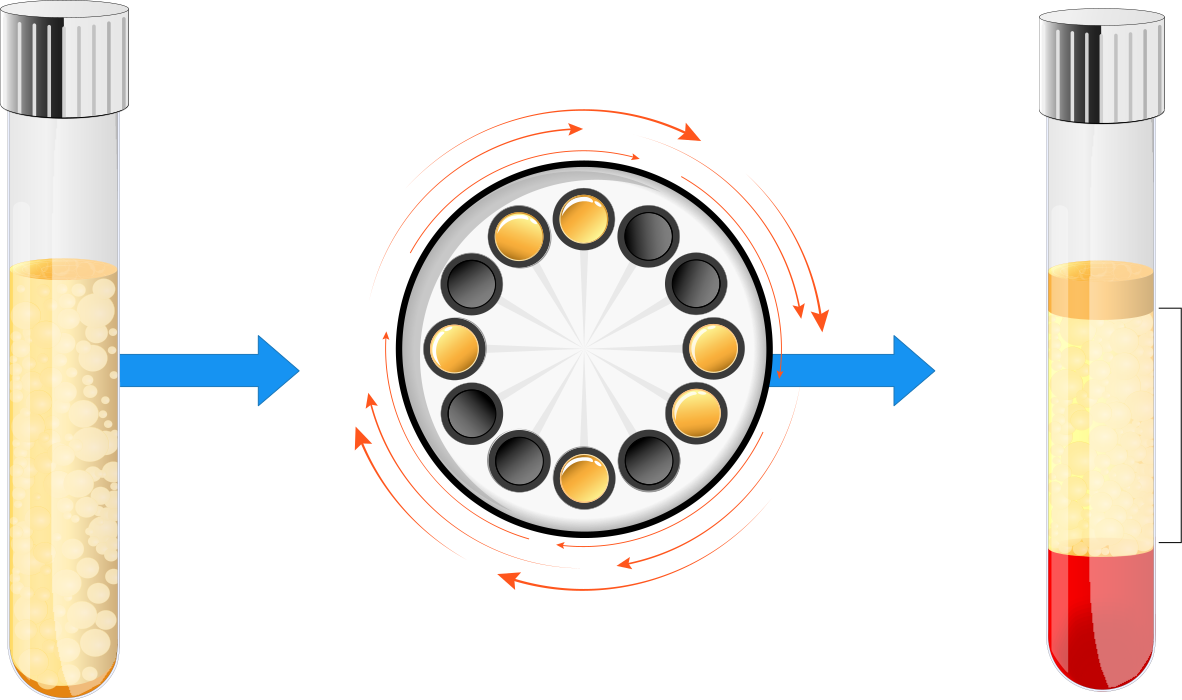
Cleansing adipose tissue
Then the adipose tissue is processed and cleared of impurities using special equipment
The most common method is centrifugation.
Lipofilling
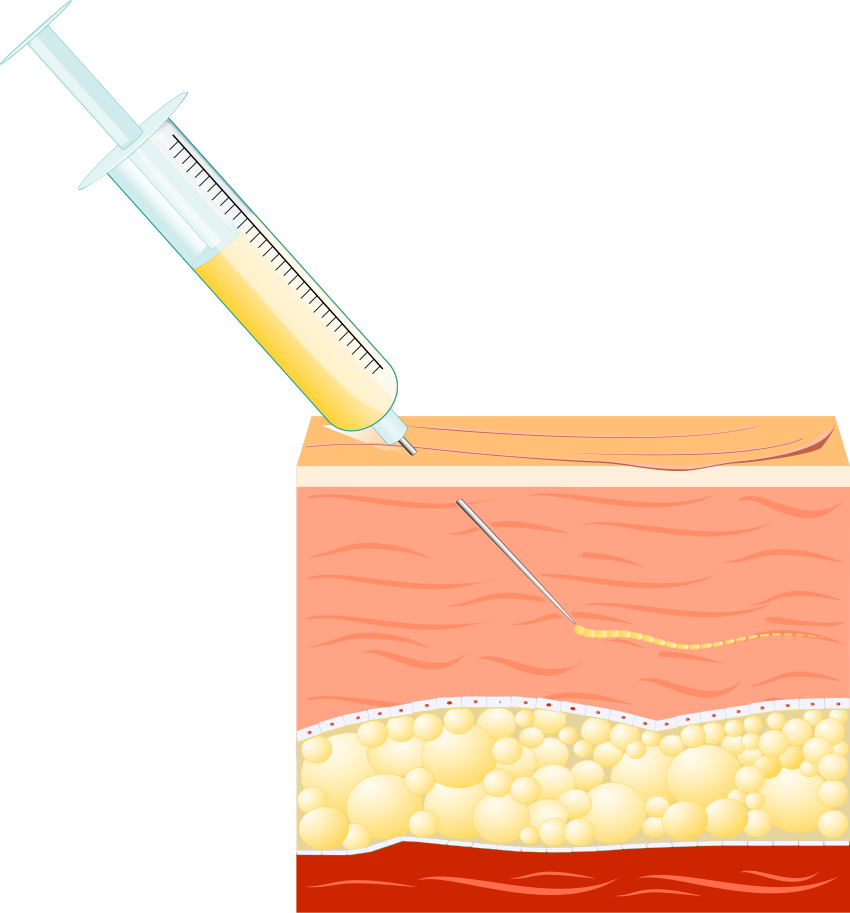
After this, lipofilling is used to create additional volume in the desired areas.
method of autotransplantation of adipose tissue using injections.
The surgeon uniformly and in different planes introduces fat emulsion into the correction area to give the desired shape and volume. In addition, modern scientific research has proven that stem cells or messenger cells, present in all fatty tissues, promote regeneration by forming new blood vessels or by acting directly on damaged or aging structures. Due to this, the areas of lipofilling are restored and rejuvenated, pathological changes in the skin (scars or atrophy) disappear, which smooths out and becomes more elastic.
The duration of the operation is on average about two hours and depends on how many areas are corrected. Most often, at the request of the patient, it is possible to combine several problem areas at once during one procedure: for example, the abdomen, hips and waist.

Effect of the procedure

The patient notices primary changes immediately after the intervention
After postoperative swelling and bruising disappear and the transplanted fatty tissue has taken root well, it is possible to evaluate the achieved result. On average, this occurs after 3-6 months, and the final effect is usually visible after a year.
Liposculpture allows you to achieve ideal body proportions with embossed contours, remove excess fat tissue from problem areas, and add the desired volume to other areas, making your figure more attractive.
The own fat used for correction minimizes the possibility of transplant rejection or allergies. The result of lipomodeling looks as natural as possible.
In practice, the resulting effect will often last a lifetime.
If the patient maintains a constant weight and follows recommendations for proper nutrition and exercise.

Possible complications

With sufficient qualifications and experience of the surgeon, the risk of complications is minimal.

  • infectious inflammatory processes
    infectious inflammatory processes in the postoperative period
  • hematoma formation
    hematoma formation
  • excessive retention of tissue fluid in the subcutaneous tissue (seroma)

Following all the recommendations of the attending physician in the postoperative period and wearing special compression garments during rehabilitation in most cases helps to avoid the development of complications.

Postoperative period

If the surgical intervention was performed under general anesthesia, the patient remains in the clinic for the first day, where his condition is monitored by doctors. Within a couple of hours after the procedure, you can get up, eat, and go to the toilet with the help of the clinic staff. In the early postoperative period, the doctor, as a rule, prescribes painkillers that relieve pain. After liposculpture, puncture marks remain on the skin, no more than 2-3 mm. They quickly regenerate and six months after the intervention are not noticeable at all.

In this case, cold, pressure and massage of the operated areas are completely eliminated. To prevent the formation of blood clots, it is necessary to gradually increase physical activity.

Rehabilitation
compression garments
During the recovery period after body liposculpture, it is recommended to wear compression garments
approximately one to two months

It can only be removed when taking a shower. The need for compression clothing is due to the fact that this measure eliminates the movement of fat cells and allows new vessels to penetrate into the transplanted tissue.

The overall recovery of the body after liposculpture takes about a month on average.

At this time, it is advisable to give up smoking, significant sports activities and visiting a bathhouse, sauna, swimming pool or solarium. It is recommended to use cosmetic products as prescribed by a doctor to improve skin elasticity.

Frequently Asked Questions

What are the advantages of liposculpture compared to surgical plastic surgery?

Fat cell transplantation is performed using mini-punctures, without large incisions. As a result, there is virtually no blood loss during the procedure, and large vessels and nerves are not damaged. In this regard, after lipomodeling, the process of restoration of the body and tissue regeneration occurs faster and easier than during conventional surgery.

Is there a need for a repeat liposculpture procedure and after what time is it possible?

In most situations, comprehensive body correction is possible in one operation. But sometimes, with a significant amount of intervention, liposculpture is performed in several stages. On average, final tissue healing occurs after six months. Only after this, if the patient wishes, can repeated lipomodeling be performed.


Experienced doctors

    What is the price of body liposculpture in St. Petersburg?

    Стоимость операции зависит от ее объема и сложности, которые определяются на консультации пластического хирурга. Сложность операции может зависеть от различных факторов, включая тип операции, состояние пациента, наличие осложнений и требуемое время для выполнения операции.
    В данном разделе указана стоимость работы врача без учета анестезии, пребывания в палате, предоперационного обследования и послеоперационного наблюдения.
    Окончательную стоимость операции можно узнать по итогам очной консультации с хирургом.

    Отзывы пациентов


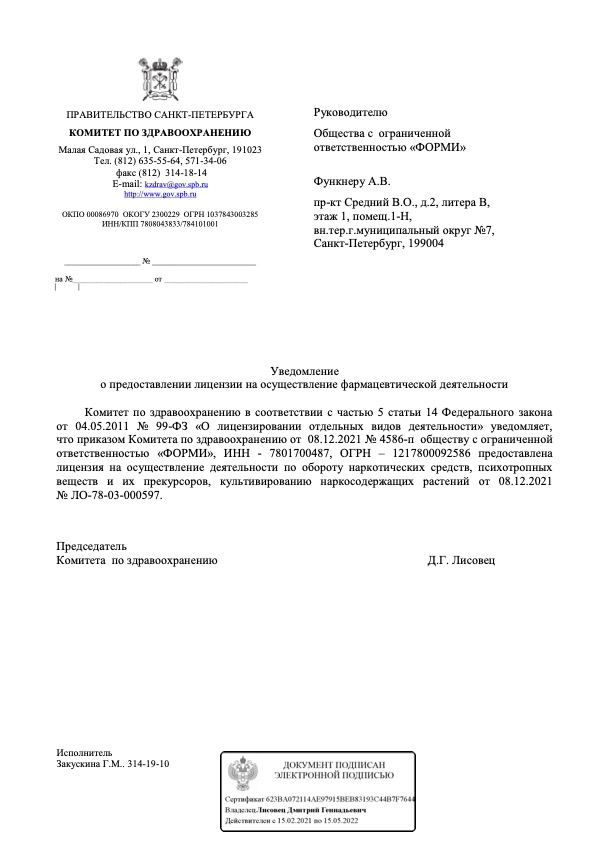
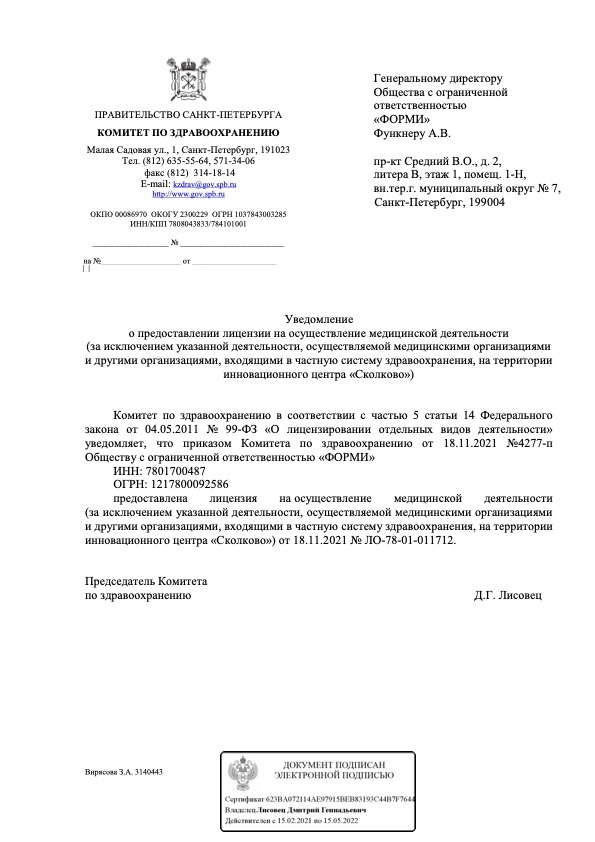
      Лицензии