Brazilian Butt Lift

Buttock enlargement

Gluteoplasty is a surgical procedure that helps improve the shape and size of the gluteal muscle through implantation, biothreads, or fat transfer from other parts of the body.
Ideal buttocks for any body constitution

Types of gluteoplasty

In addition to aesthetic correction, buttock surgery allows you to eliminate age-related changes: sagging skin, fat traps, imbalance in the distribution of fat tissue volumes.

Gluteoplasty is also often done after sudden weight loss, when the internal resources of the skin are no longer enough to adapt to the changes.

There are several types of buttock surgery. Each method is performed using a special technique.

Installation of implants
This plastic surgery involves the installation of silicone implants to increase the volume and shape of the buttocks, as well as correct asymmetry and other imperfections in this area. The plastic surgeon inserts silicone implants internally under the muscle. This method provides long-term results and gives the buttocks the desired shape.
The operation is based on the transplantation of the patient's own fat. Fat is removed from the abdomen or thighs using liposuction, purified and then implanted into the buttocks. Lipofilling is safe and eliminates allergic reactions, since the material is taken from the patient’s own tissues and quickly takes root.
Threads
Thread lifting allows you to improve the shape of your buttocks without surgery. The surgeon inserts special threads under the skin and fixes them, providing tightening and improving skin tone. This technique is considered less invasive and leaves fewer stitches and scars.
Lift
This type of gluteoplasty involves surgical removal of excess skin and fat deposits. The surgeon removes excess skin and tissue, tightens the buttocks and fixes them in a new position. This plastic surgery allows you to correct the shape of sagging and improve the contour of the buttocks. A butt lift is often combined with other types of gluteoplasty.

Indications and contraindications

Indications for gluteoplasty include:

insufficient volume or shape of the buttocks;
congenital underdevelopment of muscles in this area;
consequences of weight loss and reduction of subcutaneous fat;
asymmetry;
loss of elasticity, sagging;
age-related changes;
need for correction after other operations.

Buttock surgery cannot be performed with the following contraindications:

ARVI, acute respiratory infections;
chronic diseases and pathologies in the active stage;
dysfunction of the cardiovascular system and kidneys;
diseases associated with the blood coagulation system;
obesity or underweight;
problems with wound healing;
allergies to drugs used during surgery;
mental problems that do not allow one to assess risks and consequences;
pregnancy and breastfeeding period.

Before undergoing endoprosthetics, you must consult a plastic surgeon at our clinic in St. Petersburg. He will conduct an examination and decide on the possibility of plastic surgery in a particular case.

Preparation for buttock surgery

Preoperative appointment.
You need to consult with a plastic surgeon who will perform the operation. At your initial consultation, he will assess your physical fitness and discuss a correction plan with you.
Analyzes and examinations.
Before gluteoplasty, you will be prescribed general and biochemical blood tests, an ECG, a coagulogram, fluorography or x-ray of the lungs, determination of blood group and Rh factor, a blood test for viral hepatitis, syphilis, HIV, as well as other studies to exclude contraindications.
The surgeon may also prescribe a consultation with a specialist if he identifies symptoms of any disease. For example, he may refer you to a phlebologist if you have spider veins or bulging veins in your legs. You may need to address your varicose veins first, or wear compression stockings during surgery.
Preparation for anesthesia.
You should give up nicotine and alcohol in about two weeks, and stop taking anticoagulants in a week (after consultation with a specialist). Be sure to tell your doctor about any medications or supplements you take. Also, the day before, you should cleanse the intestines using microenemas or medications, have a light dinner, and on the day of the operation itself, do not eat or drink.

Stages of implementation

Before the operation, the surgeon determines how he will install the implants, performs liposuction if necessary, and selects areas for the patient’s fat tissue injection. Implants can be placed under the gluteus maximus muscle, under the superior fascia, or deep into the muscle fibers. The endoprosthesis itself can be used in a round or anatomical (or pear-shaped) shape, and have a smooth or porous structure.

The augmentation is performed under general anesthesia and lasts about 2–3 hours, depending on the extent of the intervention. The plastic surgeon makes a small incision through which implants or fatty tissue are inserted. He then models the shape and volume, achieving the desired aesthetic result. Places stitches, treats the incision sites with an antiseptic and covers them with a sterile bandage.

Rehabilitation period

First days:
  • There may be a feeling of discomfort and swelling. The doctor prescribes analgesics to relieve pain and anti-inflammatory drugs to prevent infection.
  • It is recommended to wear compression garments to support and shape the buttocks into the desired shape.
  • It is necessary to refuse to visit the solarium, bathhouse, sauna.
  • It is important to avoid strenuous physical activity and remain calm for better wound healing until recovery is complete.
A week or more:
  • Swelling and bruising will gradually decrease but may persist for several weeks.
  • The doctor may prescribe lymphatic drainage massage to speed up the process of swelling.
  • You should continue to wear compression garments and avoid standing or sitting for long periods of time.
A month later:
  • You can begin to gradually return to normal activities, but without intense exercise.
  • Additionally, it is recommended to visit a cosmetologist to improve the appearance of the stitches and skin.
  • It is important to follow all the surgeon’s recommendations and undergo regular follow-up examinations.
Results:
  • After 1–2 months, the buttocks will acquire a more beautiful shape and volume, which will allow the patient to enjoy their new appearance.
  • The result of gluteoplasty will gradually improve, and the final effect can be assessed within 6–12 months.

Body correction at ForMe Medical Center

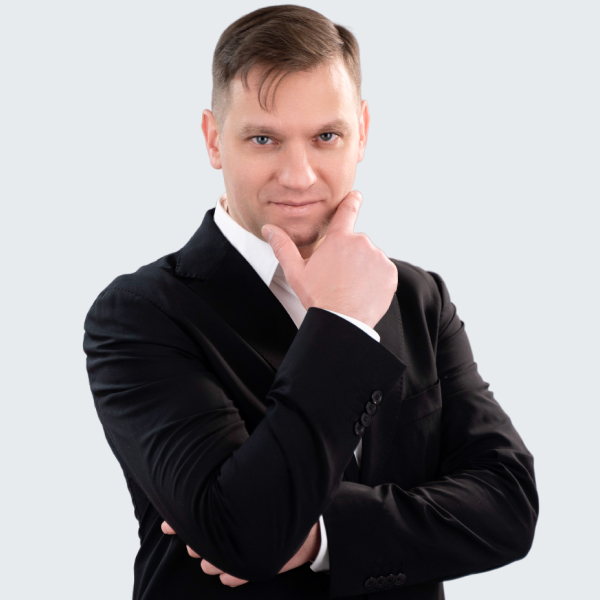
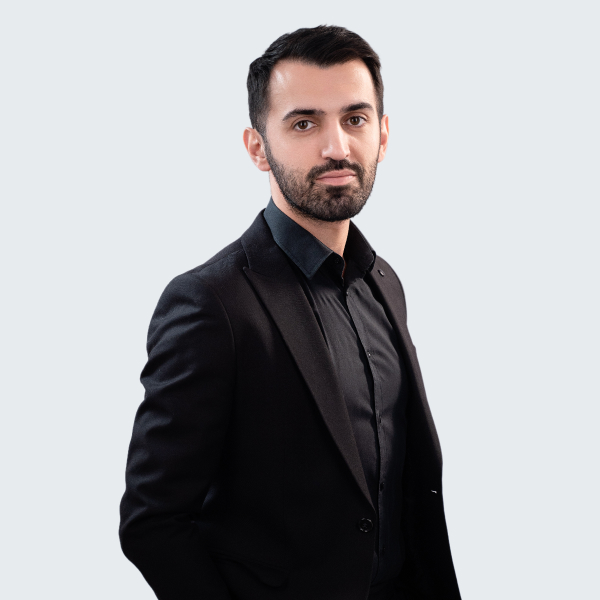
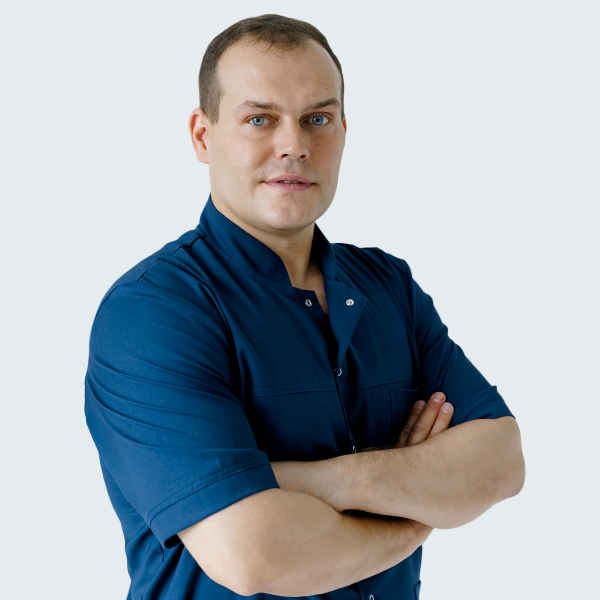
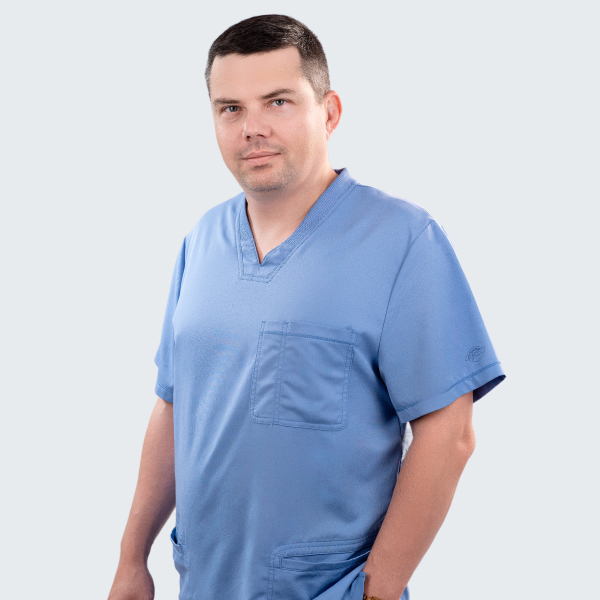
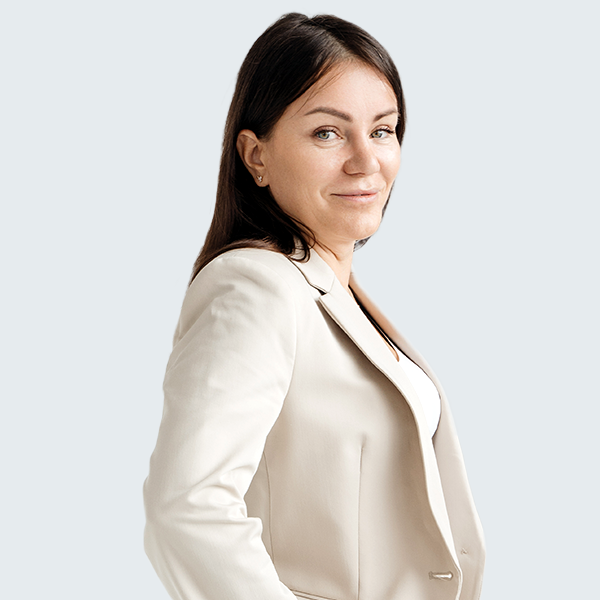
At the ForMe clinic, gluteoplasty is performed by the best doctors who master all modern techniques in the field of surgery, provide training, and also regularly speak at Russian and international congresses in St. Petersburg and other cities.

You can find out the exact prices for services, ask questions, and also sign up for a consultation by phone, on the website or during a personal visit. The cost depends on the chosen correction method, the original type of buttocks and the amount of work.


Experienced doctors

    Prices for gluteoplasty

    Стоимость операции зависит от ее объема и сложности, которые определяются на консультации пластического хирурга. Сложность операции может зависеть от различных факторов, включая тип операции, состояние пациента, наличие осложнений и требуемое время для выполнения операции.
    В данном разделе указана стоимость работы врача без учета анестезии, пребывания в палате, предоперационного обследования и послеоперационного наблюдения.
    Окончательную стоимость операции можно узнать по итогам очной консультации с хирургом.

    Отзывы пациентов


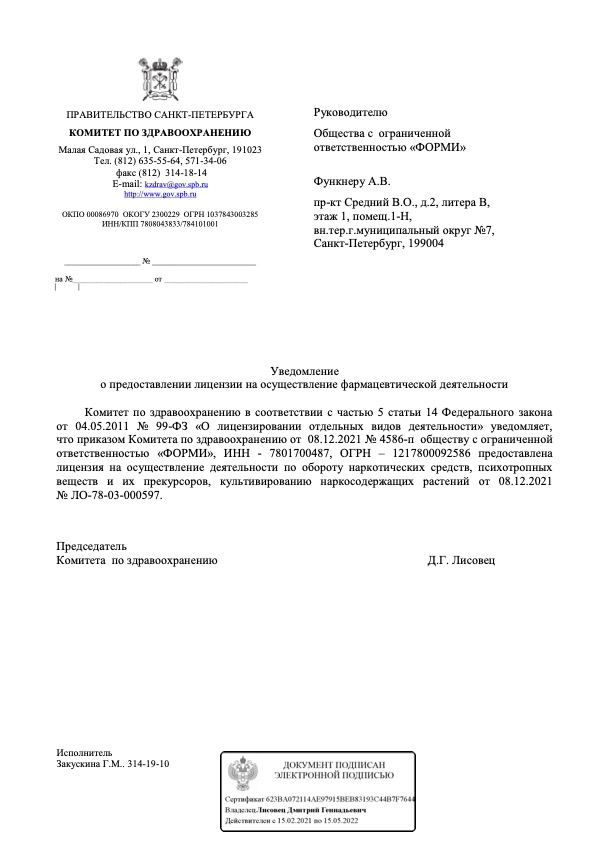
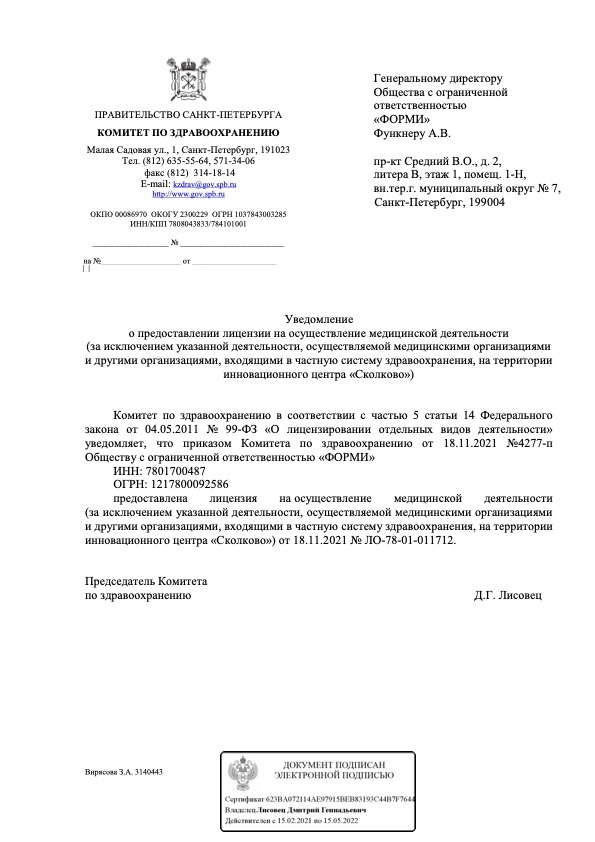
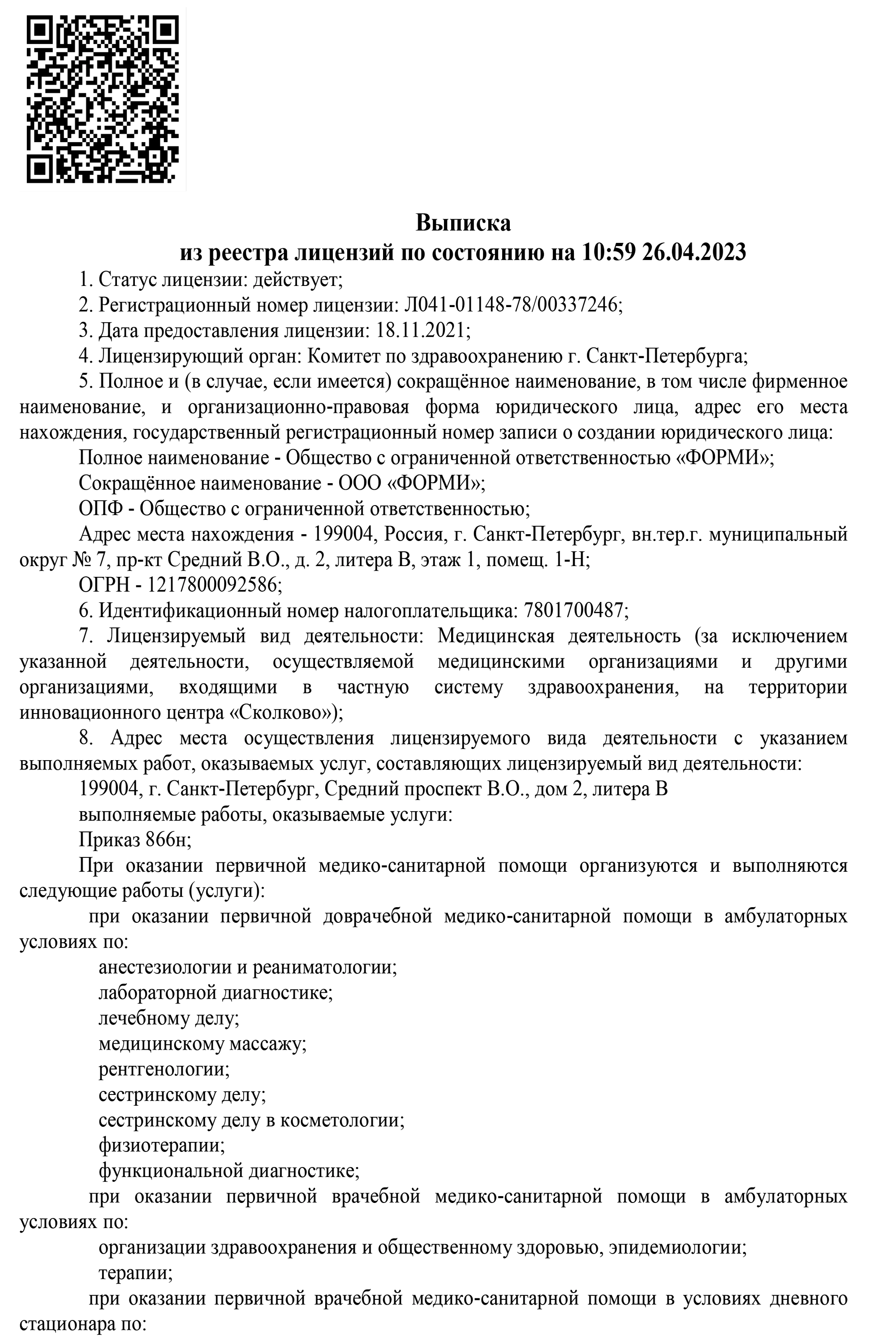
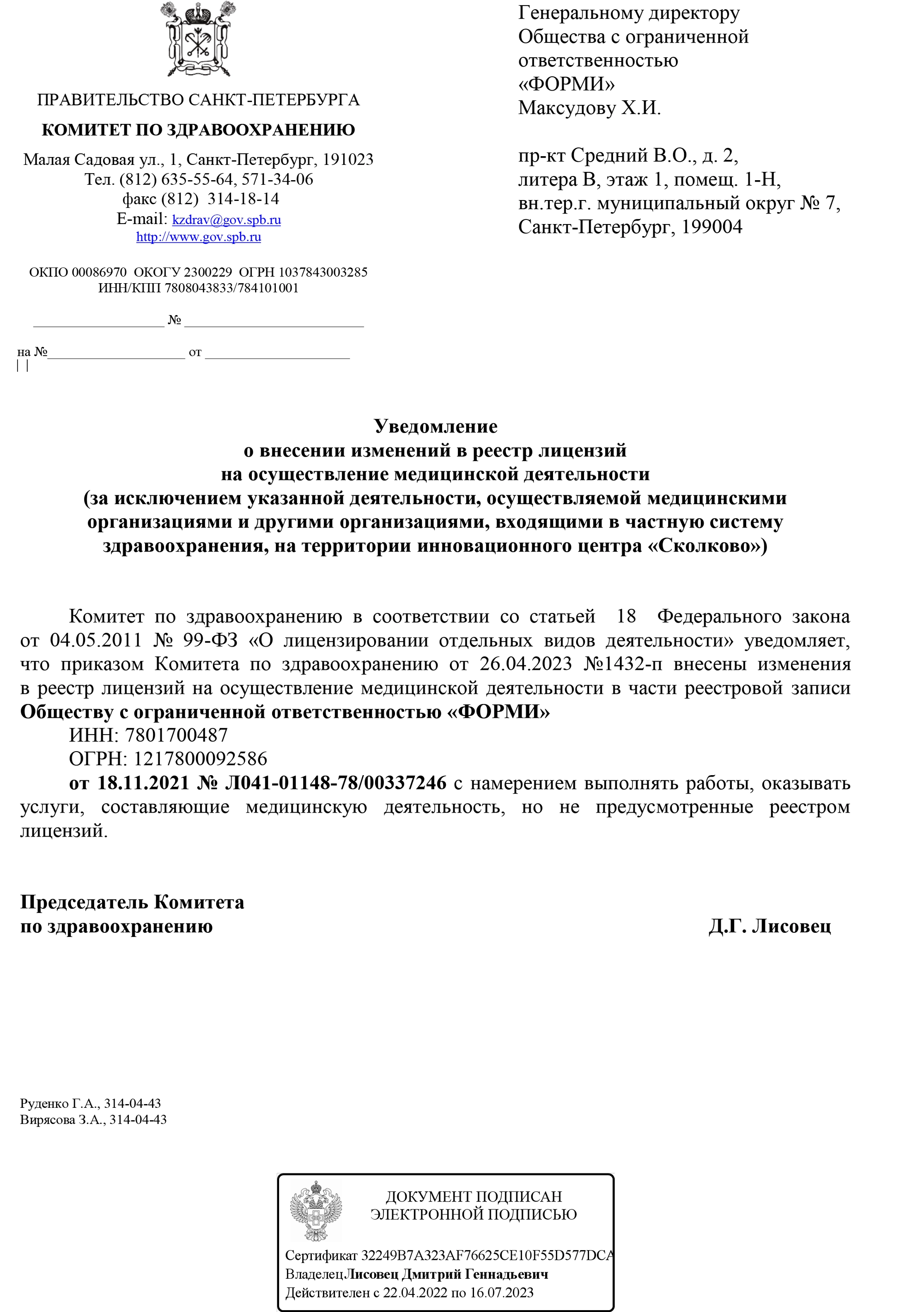
      Лицензии